Healthy Fat Foods: 25 Nutritious Choices for Everyday Meals
25 Healthy Fat Foods for Everyday Meals
Discover 25 healthy fat foods, from avocados and nuts to olive oil and salmon, with simple tips for adding nutritious fats to everyday meals.
healthy-fat-foods
Fat has a complicated reputation. Some people avoid it because they believe it causes weight gain, while others add large amounts of fat to their meals to improve their health. The truth is simpler: your body needs fat, but the types you eat and the portions you choose matter.
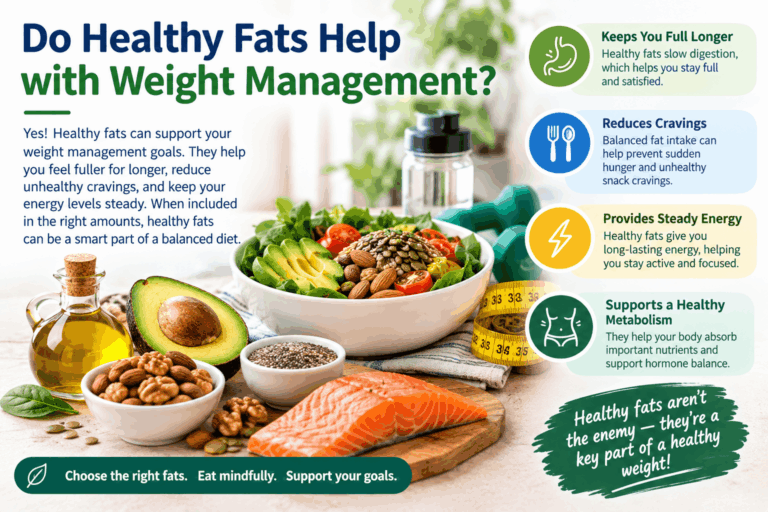
Healthy fats can make meals more satisfying, help your body absorb certain vitamins, and provide essential fatty acids that it cannot produce on its own. You can find them in everyday foods such as avocados, nuts, seeds, olive oil, and oily fish.
Whether you’re preparing breakfast before work, packing lunch for the day, or making dinner for your family, adding nutritious Sources of fat to your meals can be simple. The key is knowing which foods to prioritize and how to use them in balanced meals.
This guide covers 25 healthy fat foods, explains their nutritional benefits, compares popular options, and shares practical ways to enjoy them regularly.
What Are Healthy Fat Foods?
Healthy fat foods provide beneficial unsaturated fats, including monounsaturated and polyunsaturated fats. Examples include avocados, olive oil, walnuts, chia seeds, and salmon. These foods can support a balanced diet when eaten in appropriate portions alongside vegetables, fruits, whole grains, and protein-rich foods. Some also provide fiber, vitamins, minerals, and essential fatty acids.
25 Healthy Fat Foods to Add to Your Everyday Diet
The best healthy fat foods are those you enjoy, can afford, and can easily include in your regular meals. Some provide mostly monounsaturated fats, while others are rich in polyunsaturated fats, including omega-3 fatty acids.
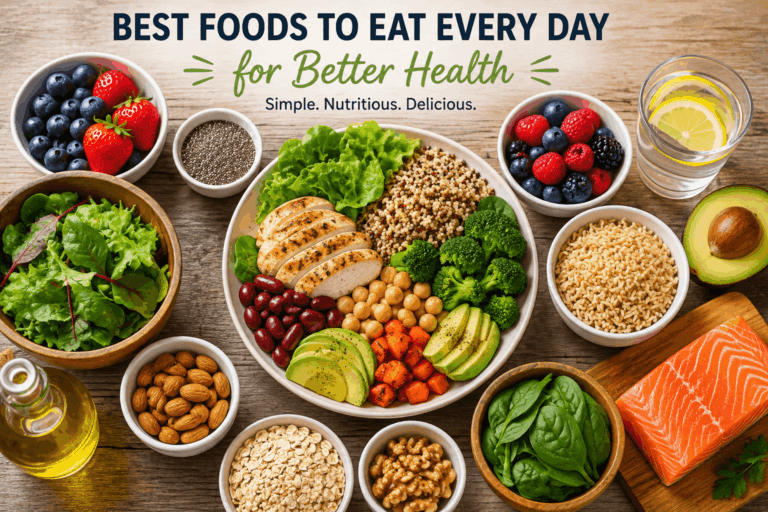
Here are 25 nutritious choices worth considering.
Nuts and Seeds
1. Avocados
Avocados are rich in monounsaturated fat and also provide fiber and potassium. Their creamy texture makes them easy to add to savory meals and simple breakfast dishes.
How to eat them: Spread mashed avocado on whole-grain toast, add slices to sandwiches, or mix them into salads.
2. Almonds
Almonds provide unsaturated fats, vitamin E, and fiber. They make a convenient snack and can add a satisfying crunch to meals.
How to eat them: Enjoy a small handful between meals or sprinkle chopped almonds over oatmeal.
3. Walnuts
Walnuts are particularly useful for people looking to add plant-based omega-3 fatty acids to their diets. They contain alpha-linolenic acid (ALA), an essential fat.
How to eat them: Add walnuts to yogurt, salads, or homemade trail mix.
4. Pistachios
Pistachios provide unsaturated fats, protein, fiber, and several vitamins and minerals. Choosing unsalted varieties can help you manage your sodium intake.
How to eat them: Keep a small portion on hand for snacking, or sprinkle chopped pistachios over roasted vegetables.
5. Chia Seeds
Chia seeds contain ALA omega-3 fats and fiber. They absorb liquid and develop a gel-like texture, making them useful for thickening foods.
How to eat them: Stir them into oatmeal, blend them into smoothies, or prepare chia pudding with milk or an unsweetened plant-based alternative.
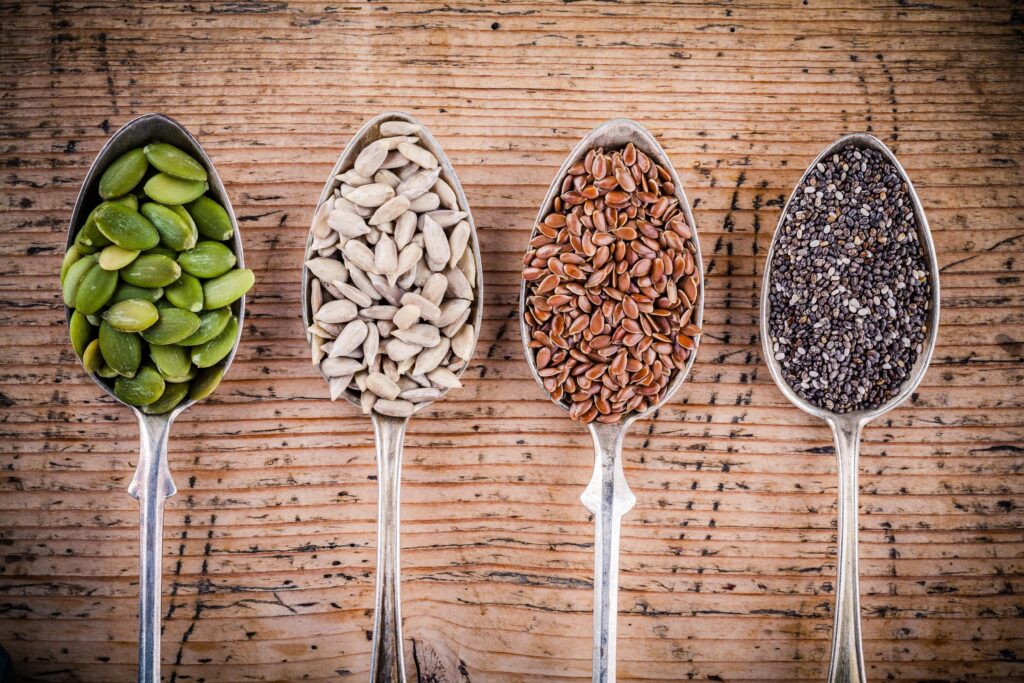
6. Flaxseeds
Flaxseeds are another plant source of ALA and dietary fiber. Ground flaxseeds are generally easier to digest than whole seeds because grinding helps make their nutrients more accessible.
How to eat them: Mix ground flaxseeds into porridge, yogurt, or homemade muffins.
7. Pumpkin Seeds
Pumpkin seeds contain unsaturated fats, protein, magnesium, and other minerals. They’re a practical option for people who want a crunchy addition to meals.
How to eat them: Sprinkle them over soups, salads, or roasted vegetables.
8. Sunflower Seeds
Sunflower seeds provide unsaturated fats and vitamin E. They work well in both sweet and savory dishes.
How to eat them: Add a spoonful to oatmeal, homemade granola, or a lunchtime salad.
9. Sesame Seeds
Sesame seeds contain unsaturated fats and minerals, including calcium in some forms. Their nutty flavor works especially well in Asian-inspired meals.
How to eat them: Sprinkle sesame seeds over stir-fries, or use tahini, a paste made from sesame seeds, in dressings and dips.
10. Natural Peanut Butter
Peanut butter provides plant-based protein and healthy unsaturated fats. However, not all peanut butters are created equal. Some brands add extra sugar, salt, or oils, so it’s always a good idea to check the ingredient list and nutrition label to avoid unnecessary additives.
How to eat it: Spread a thin layer on whole-grain toast or serve it with apple slices.
Fish and Other Protein-Rich Foods
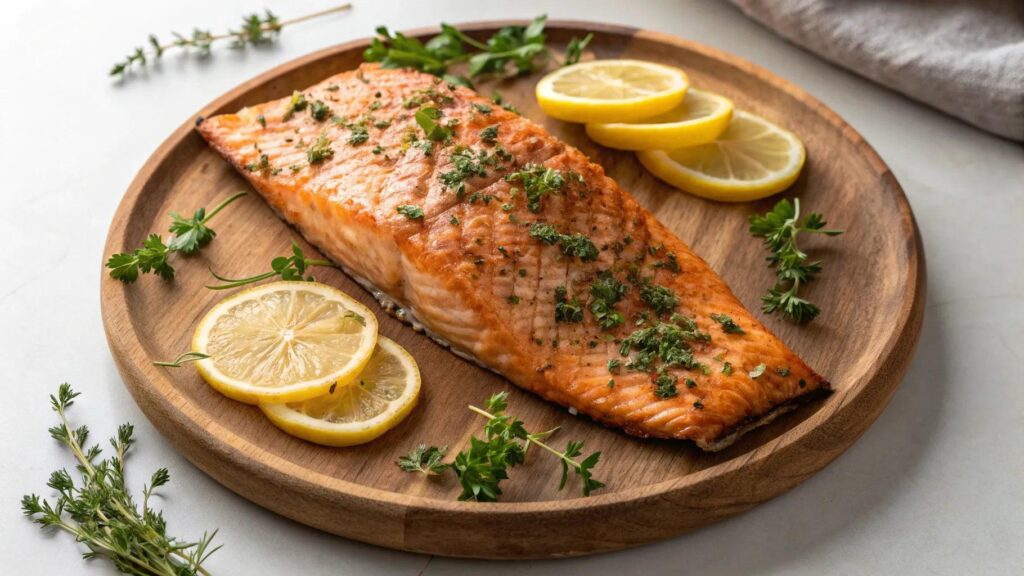
11. Salmon
Salmon is rich in EPA and DHA, which are two essential long-chain omega-3 fatty acids. It also provides protein and vitamin B12.
How to eat it: Bake salmon with herbs and lemon, or add cooked salmon to a grain bowl with vegetables.
12. Sardines
Sardines provide omega-3 fats and protein. Canned sardines are budget-friendly and convenient, though sodium content can vary from brand to brand.
How to eat them: Serve sardines on whole-grain toast or combine them with tomatoes and leafy greens.
13. Mackerel
Mackerel is an oily fish rich in omega-3 fats. Mercury levels vary by fish species, so it’s always wise to check local safety guidelines—especially if you’re pregnant.
How to eat it: Bake or grill suitable mackerel varieties and serve with brown rice and vegetables.
14. Trout
Trout supplies omega-3 fats, protein, and other nutrients. It can be a useful alternative to salmon if you want variety in your weekly meals.
How to eat it: Roast trout with herbs and serve alongside potatoes and steamed vegetables.
15. Eggs
Eggs contain fat, protein, and nutrients such as choline. How healthy eggs are Ultimately depends on how they’re prepared and what you pair them with. Try having boiled eggs in the morning, or mix scrambled eggs with veggies alongside whole-grain toast.”
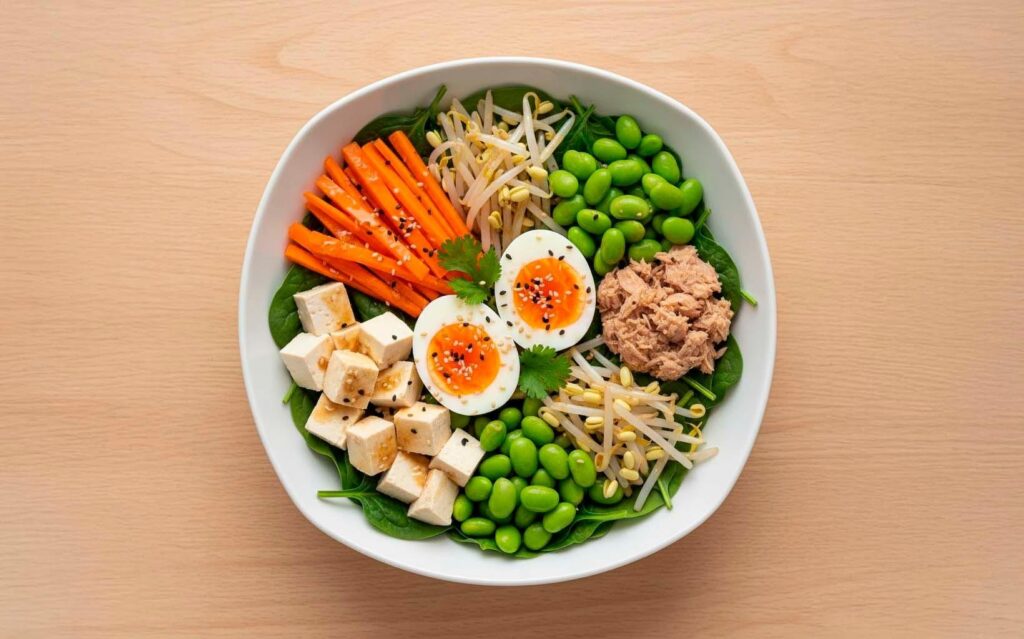
16. Tofu
Tofu is a soy-based food that contains unsaturated fats and plant protein. It absorbs the flavors of marinades and seasonings, making it versatile for meat-free meals.
How to eat it: Bake, grill, or stir-fry tofu with vegetables and a small amount of canola or olive oil.
17. Edamame
Edamame are young soybeans that provide protein, fiber, and unsaturated fats. They’re a simple option for adding plant-based nutrition to snacks and meals.
How to eat them: Steam shelled edamame and add them to grain bowls or salads.
Oils and Plant-Based Foods
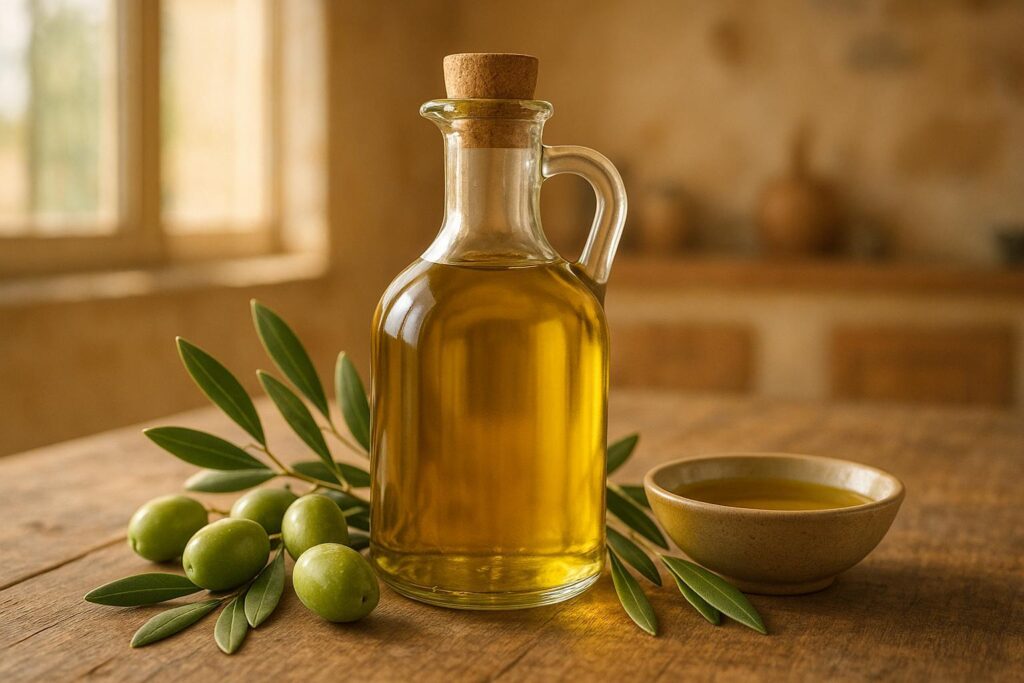
18. Extra-Virgin Olive Oil
Olive oil is rich in monounsaturated fat and is a staple of Mediterranean-style eating patterns. It can replace butter or other solid fats in many recipes.
How to eat it: Drizzle a measured amount over vegetables, mix it into salad dressing, or use it for everyday cooking.
19. Canola Oil
Rich in unsaturated fats and ALA omega-3 fatty acids, canola oil is a versatile choice for daily cooking. Its subtle flavor complements a wide range of dishes, from roasted vegetables and baked goods to quick stir-fries.
20. Avocado Oil
Avocado oil is rich in monounsaturated fats. Refined oils are usually great for high-heat cooking, though the flavor and smoke point can vary depending on the product.
How to eat it: Use a small amount to sauté vegetables or prepare homemade salad dressings.
21. Olives
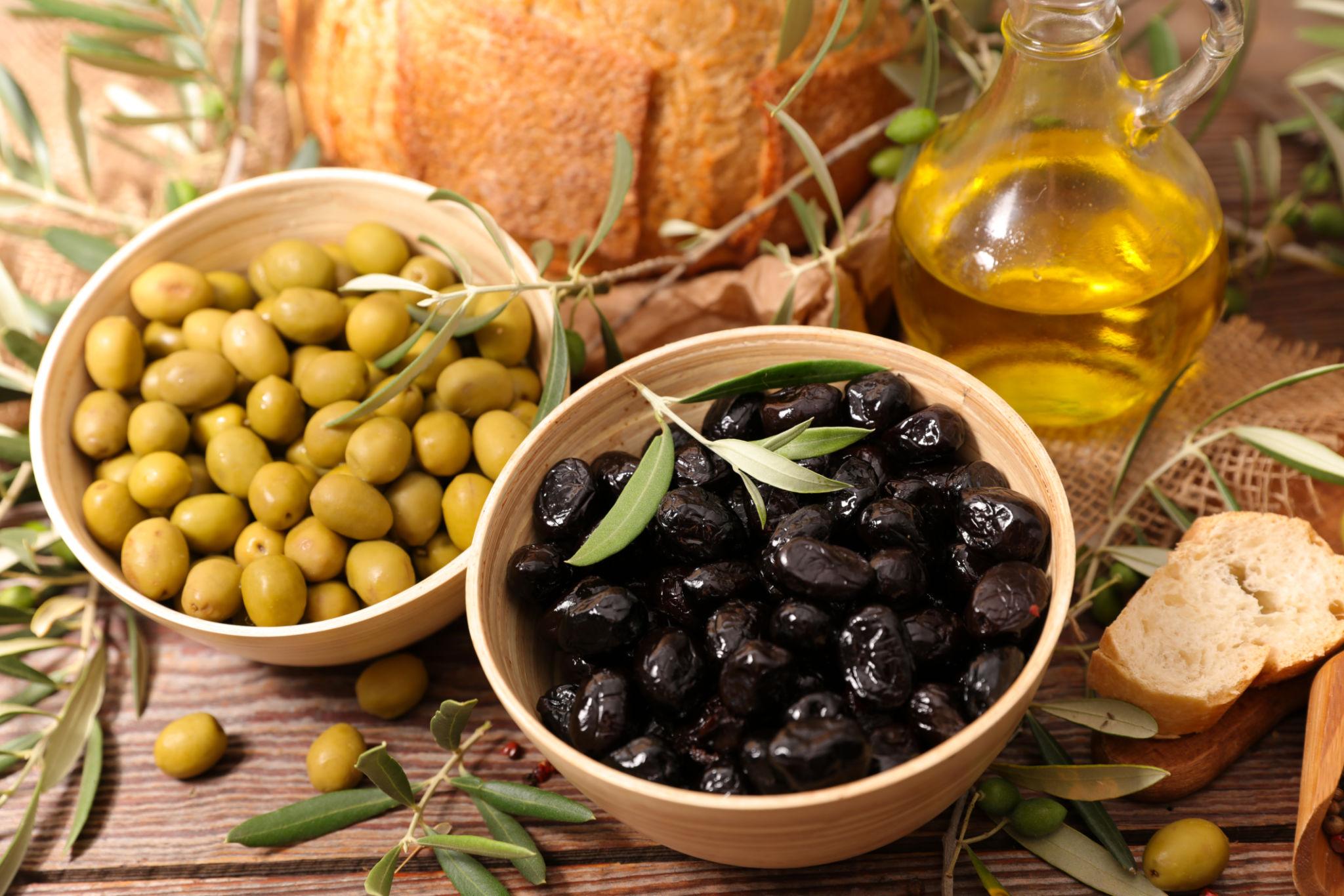
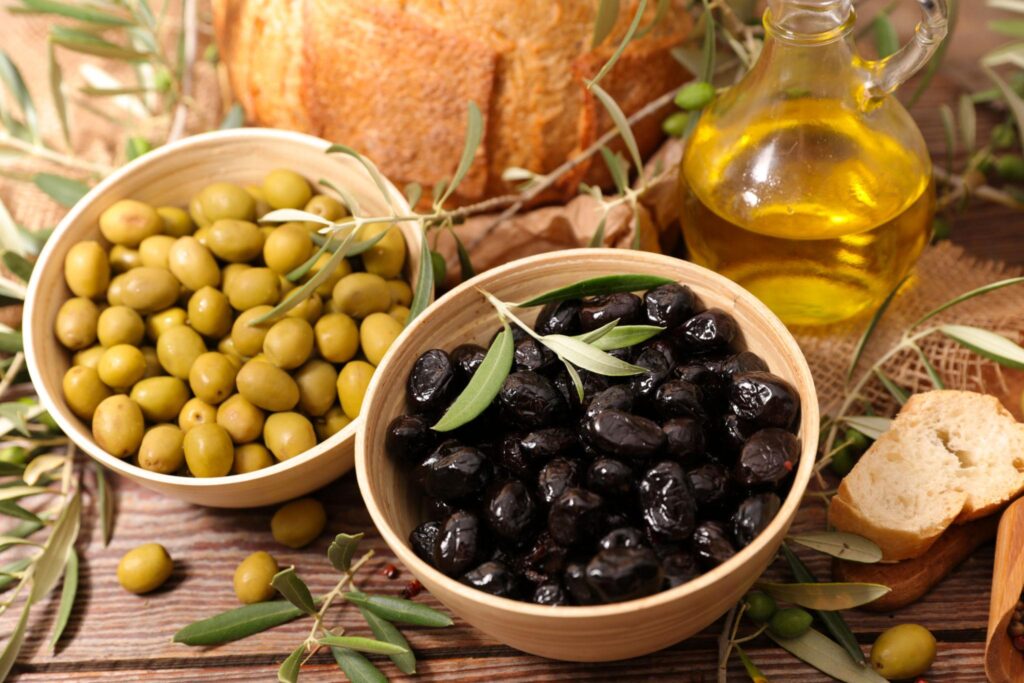
Olives contain monounsaturated fats and add flavor to salads, sandwiches, and cooked dishes. Many varieties are high in sodium because they’re cured or stored in brine.
How to eat them: Add a few olives to a Mediterranean-style salad or grain bowl.
22. Tahini
Tahini is made from ground sesame seeds and provides unsaturated fats. It also adds a creamy texture to sauces without requiring dairy.
How to eat it: Whisk tahini with lemon juice, water, and garlic to make a simple dressing.
23. Hummus
Hummus typically combines chickpeas, tahini, and olive oil. Its fat content varies by recipe, but it can provide unsaturated fats alongside plant protein and fiber.
How to eat it: Serve hummus with carrots, cucumber, whole-grain pita, or roasted vegetables.
24. Soybeans
Whole soybeans contain protein, fiber, and unsaturated fats. They can help diversify a diet that relies heavily on meat or dairy products.
How to eat them: Add cooked soybeans to soups, salads, or vegetable-based grain bowls.
25. Pecans
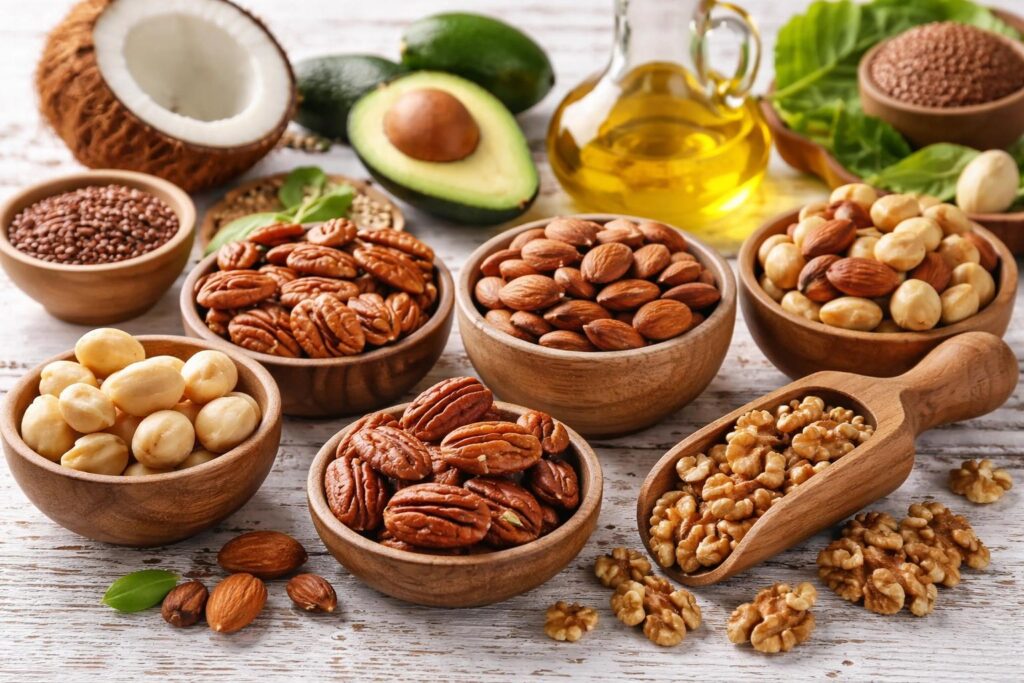
Pecans are packed with healthy unsaturated fats, fiber, and essential minerals. Thanks to their rich, buttery flavor, even a small handful goes a long way in adding a great crunch to your meals.
How to eat them: Chop pecans over oatmeal or use them in a homemade nut-and-seed mix without excessive added sugar or salt.
These foods offer different combinations of nutrients, so eating a variety is generally more useful than relying on just one source. The National Institutes of Health identifies walnuts, chia seeds, flaxseed, and oily fish as sources of omega-3 fatty acids.
Health Professional Fact Sheet
Why Are Healthy Fats Important?
Dietary fat does more than add flavor to food. It provides energy, supports cell structure, and helps your body absorb vitamins A, D, E, and K.
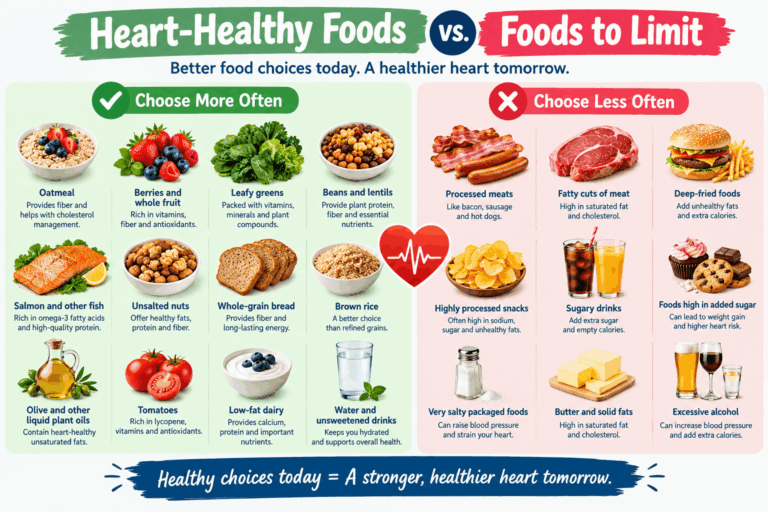
Unsaturated fats can also support heart health when they replace saturated fats in the diet. For example, using olive oil instead of butter or choosing walnuts instead of a snack high in saturated fat can be a useful dietary swap.
Omega-3 fats have additional roles in normal body function. ALA comes mostly from plants, whereas EPA and DHA are found mainly in fish and seafood. But keep in mind—more fat doesn’t always mean better health. Since all fats carry calories, portion sizes and the quality of your overall diet still matter.
Comparison Table: Healthy Fat Foods at a Glance
The following table compares common options by their main nutritional strengths and practical uses. Exact nutrient amounts vary with serving size, preparation, and brand.
| Food | Main nutritional strength | Simple serving idea |
| Avocado | Monounsaturated fat and fiber | Add to toast |
| Walnuts | Plant-based omega-3 ALA | Mix into oatmeal |
| Chia seeds | ALA and fiber | Stir into yogurt |
| Almonds | Unsaturated fat and vitamin E | Enjoy as a snack |
| Salmon | EPA and DHA omega-3s | Bake for dinner |
| Sardines | Omega-3s and protein | Serve on toast |
| Olive oil | Monounsaturated fat | Make salad dressing |
| Canola oil | Unsaturated fats and ALA | Roast vegetables |
| Tofu | Plant protein and unsaturated fat | Add to stir-fries |
| Tahini | Unsaturated fat | Make a creamy dressing |
Practical Tips for Eating More Healthy Fats
Incorporating healthy fats into your diet doesn’t require a complete dietary overhaul. A few minor adjustments can significantly improve the balance of your daily meals.
- Start with breakfast. Add chia seeds or ground flaxseeds to oatmeal, or enjoy whole-grain toast with peanut butter.
- Choose smarter cooking fats. Where appropriate, substitute butter and solid fats with olive or canola oil.
- Keep portions in mind. While nuts, seeds, and oils are super healthy, they do pack a lot of calories. Start with modest serving sizes and tweak them based on your daily needs.
- Include fish regularly. Choose suitable oily fish, such as salmon or sardines, as part of a varied eating pattern.
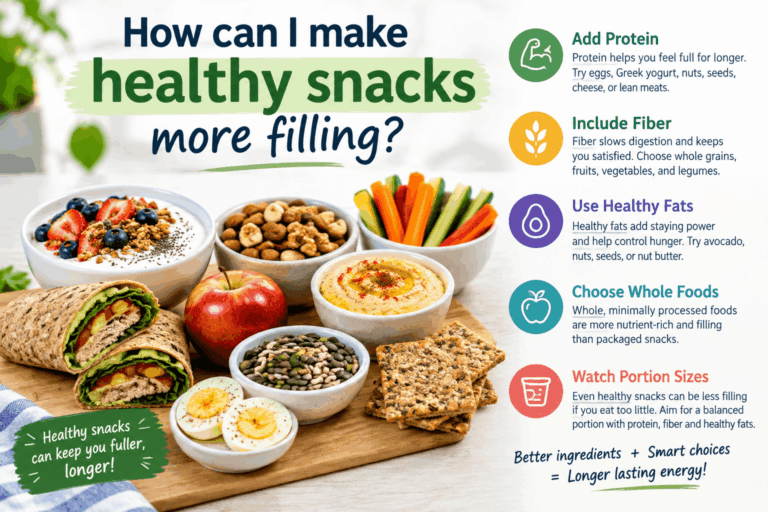
- Make simple snacks. Pair apple slices with peanut butter or vegetables with hummus.
- Read food labels. Whenever you pick up packaged foods, take a moment to compare the serving sizes, added sugars, sodium, and saturated fats on the label.
- Try plant-based alternatives. Use tofu, edamame, nuts, and seeds to add variety to meals.
These suggestions align with the American Heart Association’s guidance to emphasize unsaturated fats and replace foods high in saturated fat with healthier alternatives.
Common Mistakes to Avoid
Even the most nutritious foods lose their benefits if you don’t look at the bigger picture. A common mistake is assuming all fats are bad for you. In reality, your body actually needs dietary fat to thrive—the key is focusing on healthy sources rather than cutting out fat entirely.
Eating unlimited amounts of healthy fats. Olive oil, nuts, and seeds contain beneficial nutrients, but large portions can add substantial calories. Measure oils and serve snacks in a bowl rather than eating directly from the package.
Treating coconut oil as the healthiest option. Coconut oil contains a high proportion of saturated fat. Olive and canola oils are generally better choices when the goal is to replace saturated fat with unsaturated fat.
It’s easy to ignore how food is prepared, but methods like deep-frying, heavy sauces, and excessive salt can quickly alter a meal’s nutritional value. Instead, try healthier alternatives like baking, grilling, or roasting. Similarly, relying on just one superfood isn’t enough—eating avocados every day won’t replace the diverse benefits you get from a variety of nuts, seeds, fish, and fresh vegetables.
Buying products based on marketing alone. Labels such as “natural” or “made with healthy oils” don’t tell you everything about a product. Check its ingredients and Nutrition Facts label.
Key Takeaways
- Healthy fat foods include avocados, nuts, seeds, oily fish, olives, and unsaturated plant oils.
- Unsaturated fats are generally preferable to saturated fats when replacing one with the other.
- Walnuts, flaxseeds, and chia seeds provide plant-based omega-3 ALA.
- Salmon, sardines, and certain other oily fish provide EPA and DHA.
- Healthy fats help your body absorb fat-soluble vitamins and support normal cell function.
- Portion sizes matter because all fats are energy-dense.
- A varied diet is more useful than depending on one so-called superfood.
Asked Questions
1. What are the healthiest fat foods to eat every day?
Avocados, nuts, seeds, olive oil, and other unsaturated-fat sources are useful choices. You can also include suitable oily fish regularly. The best combination depends on your dietary preferences, nutritional needs, and overall eating pattern.
2. Which foods are highest in healthy fats?
Olive oil, avocado oil, nuts, seeds, and avocados are concentrated sources of fat, although their fat content varies considerably by serving size. Oily fish also provides beneficial fats, particularly omega-3 fatty acids. Remember that a higher fat content doesn’t automatically make a food healthier.
3. Are healthy fats good for weight management?
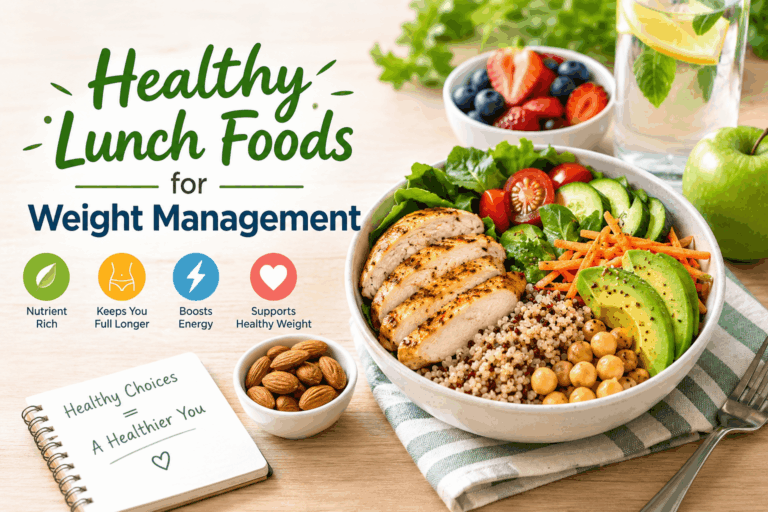
Healthy fats can make meals more satisfying, especially when eaten with protein and fiber-rich foods. However, fats are calorie-dense, so portions still matter. Weight management depends on your overall eating pattern, activity, and individual circumstances rather than any single food.
4. What are the best plant-based sources of healthy fats?
Walnuts, chia seeds, flaxseeds, almonds, avocados, olive oil, and canola oil are useful plant-based sources. Walnuts, chia seeds, and flaxseeds are particularly notable for their ALA omega-3 content.
5. Are eggs a healthy source of fat?
Eggs contain fat and protein, along with nutrients such as choline. They can fit into a balanced diet, but the overall meal matters. Boiled or poached eggs with vegetables and whole-grain toast are practical options.
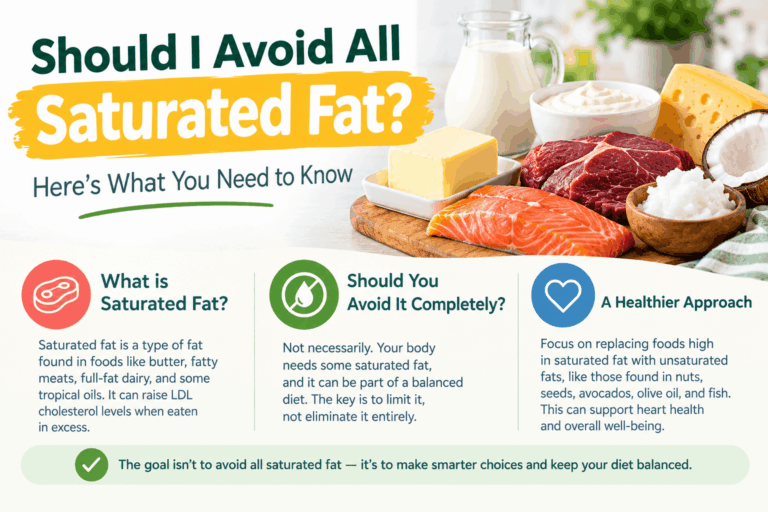
6. Should I avoid saturated fats completely?
Not necessarily. Most experts recommend limiting saturated fats and replacing them with healthy unsaturated options wherever possible. Butter, fatty meats, and coconut oil contain substantial amounts of saturated fat. Your overall dietary pattern matters more than judging a food by one nutrient alone.
7. How can I add healthy fats to meals without using supplements?
Use olive oil in salad dressings, sprinkle seeds over oatmeal, add walnuts to yogurt, or prepare salmon for dinner. Hummus, avocado, and natural peanut butter are effortless additions to your everyday meals. For most people, adding these wholesome foods is a simple way to get enough healthy fats without needing extra supplements.
Conclusion
Healthy fats can seamlessly fit into your everyday meals. From simple choices like almonds and chia seeds to staples like salmon and olive oil, you can find great options regardless of your budget or diet. It’s not about eating as much fat as you can—it’s about choosing the right kinds. Keep an eye on your portions and work on replacing foods high in saturated fat with healthier alternatives.
Start with one or two changes that fit your routine. Add seeds to breakfast, use olive oil in a salad dressing, or include fish in your weekly meal plan. Over time, these straightforward choices can help you build a varied and balanced diet.
Disclaimer
This article is published solely for educational and informational purposes. The information provided is intended to increase general awareness and understanding of the topic. It should not be considered medical, insurance, financial, legal, or professional advice. Readers should consult qualified professionals before making any healthcare, insurance, financial, or legal decisions.
References
- American Heart Association (AHA)
- National Institutes of Health (NIH)
- NIH Office of Dietary Supplements
- U.S. Department of Agriculture (USDA)
- U.S. Department of Health and Human Services (HHS)