Best Healthy Lunch Foods: Easy, Nutritious Ideas for Every Day
Best Healthy Lunch Foods for a Balanced Day
Discover the best healthy lunch foods, from protein-rich meals to whole grains and vegetables, with simple ideas for tasty, balanced lunches every day.
best-healthy-lunch-foods
Lunch can easily become the meal we rush through. Maybe you’re eating at your desk between meetings, grabbing something from a café, or opening the fridge and realizing you have no idea what to make. When that happens, convenience often wins.
But a healthy lunch does not have to mean an elaborate salad or a meal that takes an hour to prepare. The best healthy lunch foods are simple, filling ingredients that give your body a useful mix of protein, fiber, whole grains, vegetables, fruit, and healthy fats.
A well-planned lunch can also make the rest of the day easier. Instead of relying on sugary snacks or another quick takeaway meal a few hours later, you can build a satisfying, practical lunch.
In this guide, you’ll find some of the best foods to include in a healthy lunch, easy meal combinations, smart choices for work and school, common mistakes to avoid, and simple ways to make nutritious lunches more enjoyable.
What Are the Best Healthy Lunch Foods?
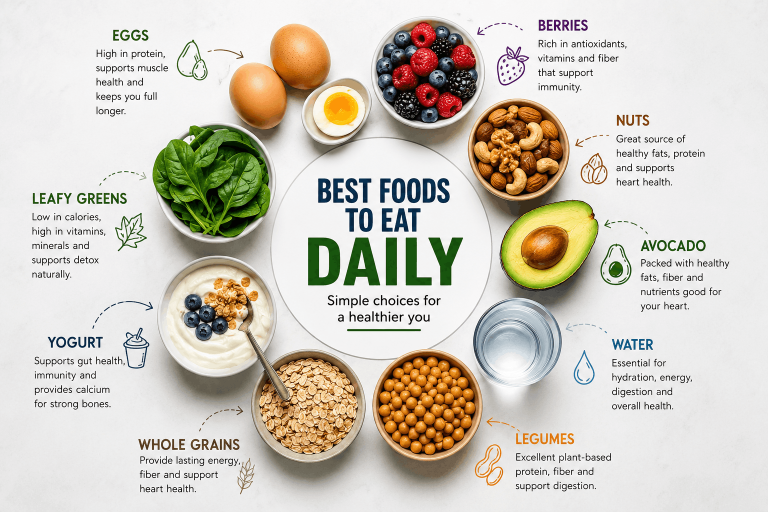
The best healthy lunch foods are nutrient-dense choices that combine protein, vegetables or fruit, fiber-rich carbohydrates, and healthy fats. Examples include chicken, fish, eggs, beans, lentils, whole grains, leafy greens, colorful vegetables, fruit, nuts, seeds, avocado, and unsweetened yogurt. A balanced combination can make lunch both satisfying and nutritious.
Why a Healthy Lunch Matters
Lunch is more than something to eat between breakfast and dinner. It is an opportunity to add important nutrients to your overall eating pattern.
Current U.S. dietary guidance emphasizes vegetables, fruits, protein foods, whole grains, healthy fats, and dairy foods without added sugars while encouraging people to limit added sugars, sodium, saturated fat, and highly processed foods.
That does not mean every lunch needs to be perfect.
Think about your overall eating pattern instead. A homemade chicken and vegetable wrap one day, a lentil bowl the next, and a tuna salad with whole-grain bread another day can all fit into a healthy routine.
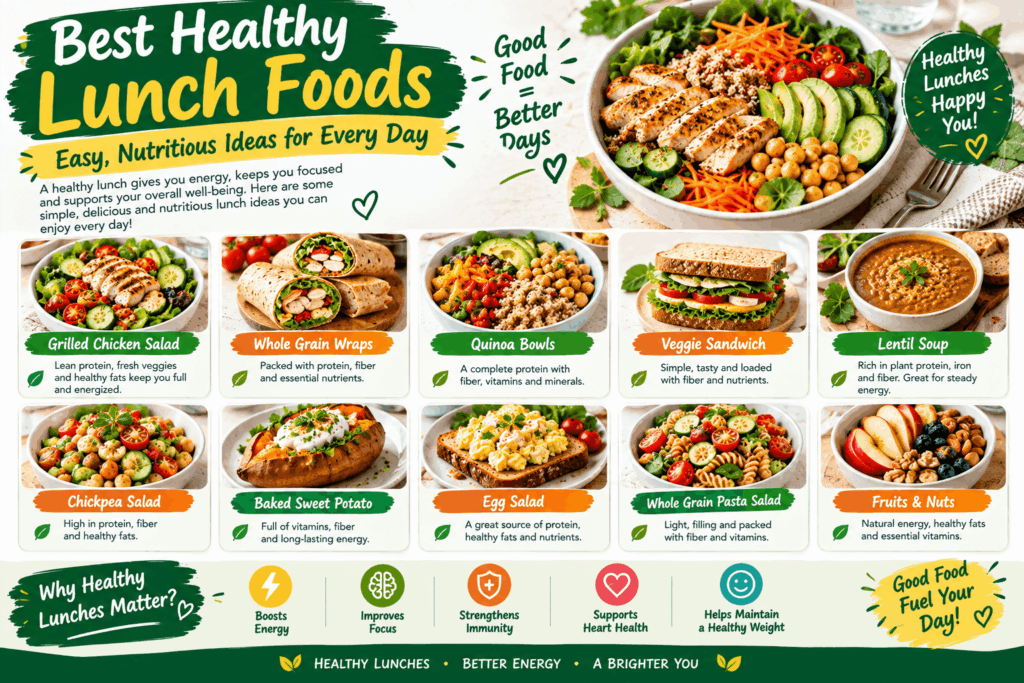
10 of the Best Healthy Lunch Foods
1. Leafy Green Vegetables
Spinach, kale, romaine lettuce, arugula, and other leafy greens are easy additions to salads, wraps, sandwiches, and grain bowls.
They provide fiber and a range of vitamins and minerals. Using a variety of vegetables also makes lunch more colorful and interesting.
Try adding:
- Spinach to an egg wrap
- Romaine to a chicken sandwich
- Kale to a grain bowl
- Mixed greens to a bean salad
You do not need to eat a giant bowl of salad to benefit from vegetables.
2. Chicken and Turkey
Chicken and turkey are convenient lunch protein options. Grilled, baked, or leftover chicken works well in salads, wraps, sandwiches, rice bowls, and soups. Turkey can be used similarly, though processed deli meats may be high in sodium, so choosing lower-sodium options can help.
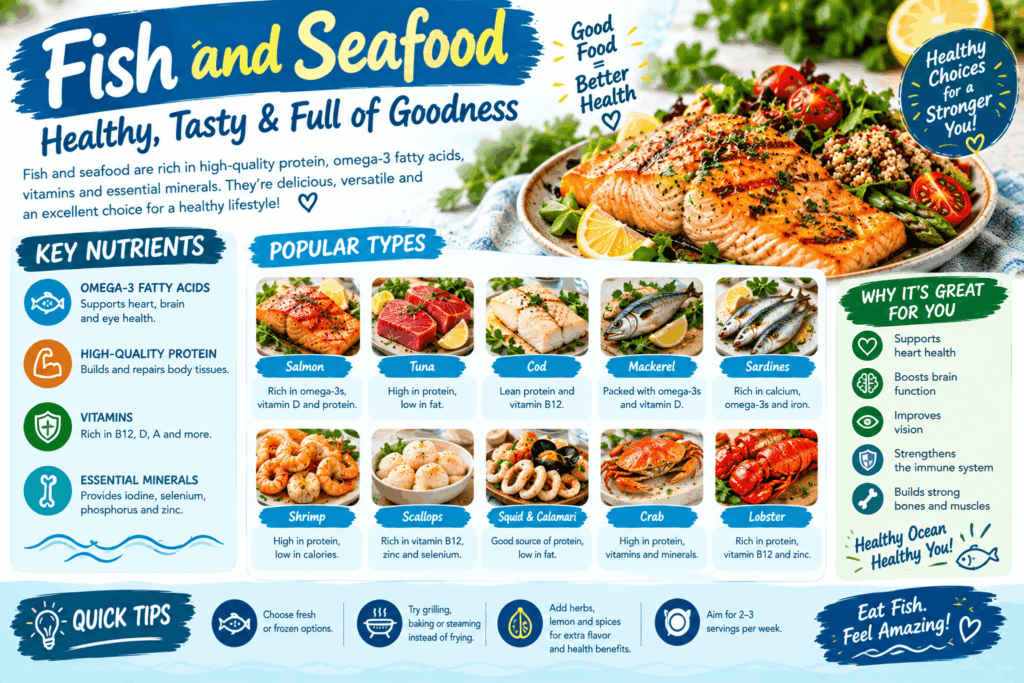
3. Fish and Seafood
Fish can make a nutritious lunch while adding variety to your protein choices.
Try:
- Baked salmon with brown rice and vegetables
- Tuna with whole-grain crackers and salad
- Sardines on whole-grain toast
- Grilled fish in a vegetable wrap
- Shrimp with quinoa and mixed vegetables
The preparation method matters. Baking, grilling, steaming, or pan-cooking with modest amounts of oil can be preferable to deep-frying.
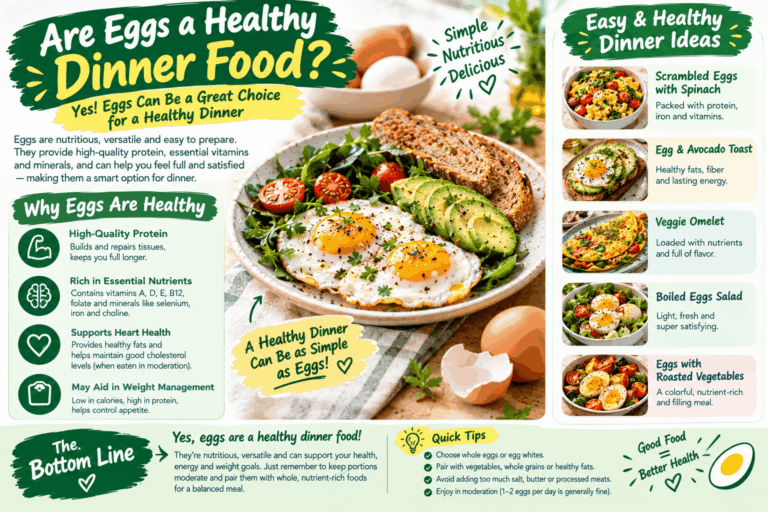
4. Eggs
Eggs are one of the easiest lunch foods to prepare.
A vegetable omelet, boiled eggs with whole-grain toast, or an Egg and avocado sandwich can make a practical lunch.
For a quick option, prepare several boiled eggs ahead of time and keep them refrigerated. Pair one with vegetables, fruit, and whole-grain toast for a simple meal.
5. Beans and Lentils
Beans, peas, and lentils are excellent plant-based foods to include at lunch. They provide protein and fiber and can be surprisingly filling.
Some easy choices include:
- Lentil soup
- Chickpea salad
- Black bean tacos
- Bean and vegetable bowls
- Hummus with whole-grain pita and vegetables
They are also useful when you want to reduce how often you rely on meat without giving up a satisfying lunch.
6. Whole Grains
Whole grains can provide fiber and make lunch more satisfying.
Good choices include:
- Brown rice
- Oats
- Quinoa
- Barley
- Bulgur
- Whole-wheat bread
- Whole-grain wraps
- Whole-grain pasta
You do not need to avoid carbohydrates to eat a healthy lunch. The better approach is to choose nutritious carbohydrate sources and balance them with protein and vegetables.
7. Colorful Vegetables
A healthy lunch does not have to be green. Carrots, bell peppers, tomatoes, broccoli, cauliflower, cabbage, peas, zucchini, and sweet potatoes can all add nutrition, flavor, and texture.
Fresh vegetables are convenient, but frozen and canned vegetables can also be useful. If buying canned vegetables, look for lower-sodium or no-salt-added options when possible.
A simple approach is to add at least one colorful vegetable to lunch and build from there.
8. Fresh Fruit
Fruit is an easy way to finish lunch with something naturally sweet.
Apples, oranges, berries, bananas, pears, grapes, kiwi, melon, and other fruits can fit easily into a lunchbox or work bag.
Whole fruit is generally a more filling choice than fruit juice because it provides fiber. CDC guidance also recommends choosing whole fruits and limiting sugar-sweetened beverages.
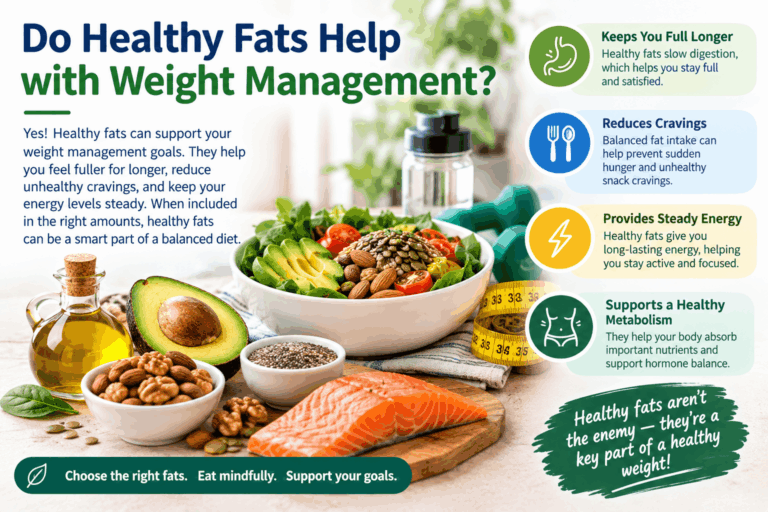
9. Nuts, Seeds, and Avocado
Healthy fats can add flavor and help make a simple meal more satisfying.
Try:
- Almonds on a salad
- Pumpkin seeds on a grain bowl
- Chia seeds in yogurt
- Walnuts with fruit
- Avocado in a sandwich or wrap
- A small amount of olive oil in a salad dressing
Because nuts, seeds, and avocado are high in calories, portion sizes still matter. A small amount can be enough.
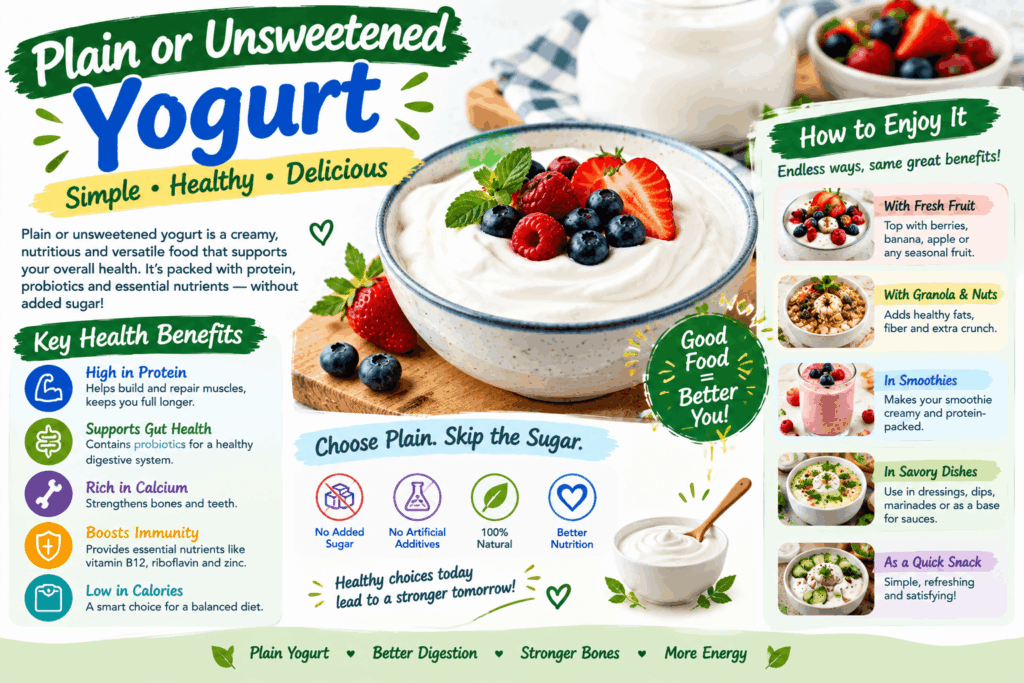
10. Plain or Unsweetened Yogurt
Plain Greek-style yogurt can be a convenient lunch side or snack. It can provide protein and works well with fruit, oats, nuts, or seeds.
If you prefer dairy-free foods, fortified alternatives may also be options depending on your dietary needs.
When choosing yogurt, check the nutrition label for added sugars. CDC guidance recommends prioritizing dairy foods without added sugars.
How to Build a Balanced Healthy Lunch
A simple way to build lunch is to start with four basic components:
- Protein: chicken, fish, eggs, beans, lentils, tofu, yogurt, nuts, or seeds.
- Vegetables or fruit: aim for a variety of colors.
- Whole-grain or other high-fiber carbohydrate: brown rice, quinoa, oats, potatoes, or whole-grain bread.
- Healthy fat: avocado, nuts, seeds, or a modest amount of olive oil.
For example, a balanced lunch could be a chicken and quinoa bowl with spinach, roasted peppers, cucumber, and a simple olive-oil dressing.
Another option could be whole-grain toast topped with eggs and avocado, served with tomatoes and an orange.
There is no single perfect lunch. Variety is more useful than eating the same meal every day.
Easy Healthy Lunch Ideas
Chicken and Quinoa Bowl
Combine cooked chicken, quinoa, spinach, cucumber, tomatoes, and roasted vegetables. Add a simple dressing made with olive oil, lemon juice, and herbs.
Mediterranean Chickpea Bowl
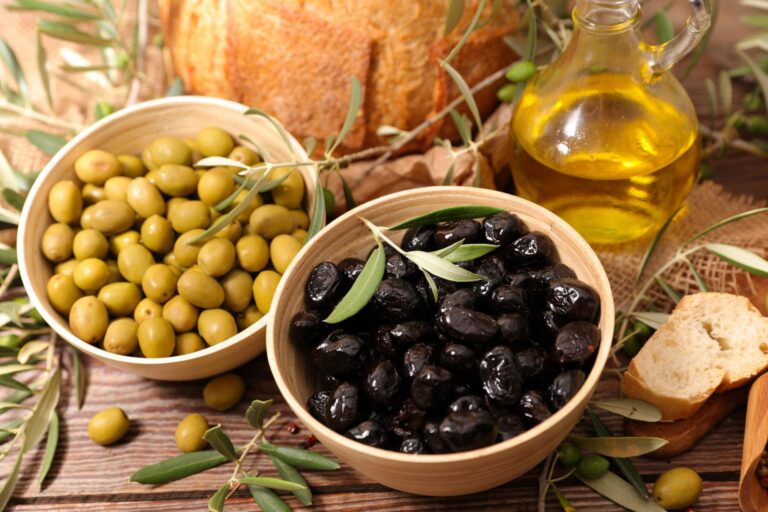
Combine chickpeas, cucumber, tomatoes, leafy greens, olives, whole grains, and a small amount of hummus.
Salmon and Vegetable Lunch
Pair baked salmon with brown rice or another whole grain and two types of vegetables.
Egg and Avocado Toast
Top whole-grain toast with sliced boiled eggs and avocado. Add tomatoes or a side salad.
Lentil Soup and Whole-Grain Bread
A bowl of lentil soup with whole-grain bread can be a practical choice, especially in colder weather.
Turkey and Vegetable Wrap
Use a whole-grain wrap with turkey, lettuce, tomato, cucumber, and avocado. Add a piece of fruit on the side.
Healthy Lunch Foods for Work
Work lunches need to be realistic. If a meal requires complicated preparation every morning, it may not last as a routine.
Instead, prepare a few ingredients ahead of time.
For example, cook chicken or beans, prepare a batch of brown rice or quinoa, wash vegetables, and keep fruit ready to grab. Then you can assemble different combinations throughout the week.
A reusable lunch container with separate sections can also help keep foods fresh and make portioning easier.
Meal planning may also reduce the temptation to rely on fast food when you are short on time. CDC guidance specifically recommends planning meals as one way to improve food choices.
Healthy Lunch Foods for School
For children and teenagers, lunch should be practical, appealing, and appropriate for their age and individual needs.
A lunchbox might include:
- Whole-grain sandwich or wrap
- Chicken, egg, beans, or another protein
- Sliced cucumber or carrots
- Fresh fruit
- Plain or lower-sugar yogurt
- Water
Children may be more willing to eat vegetables when they are served in familiar forms and paired with foods they already enjoy.
The goal is not to create a perfect lunch every day. Building variety and positive eating habits over time is more realistic.
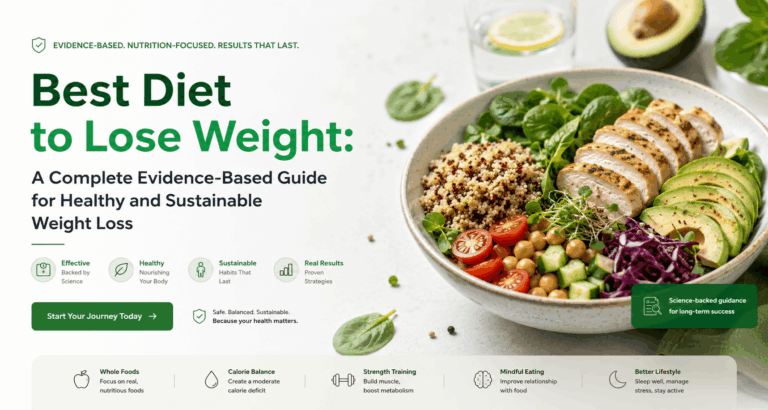
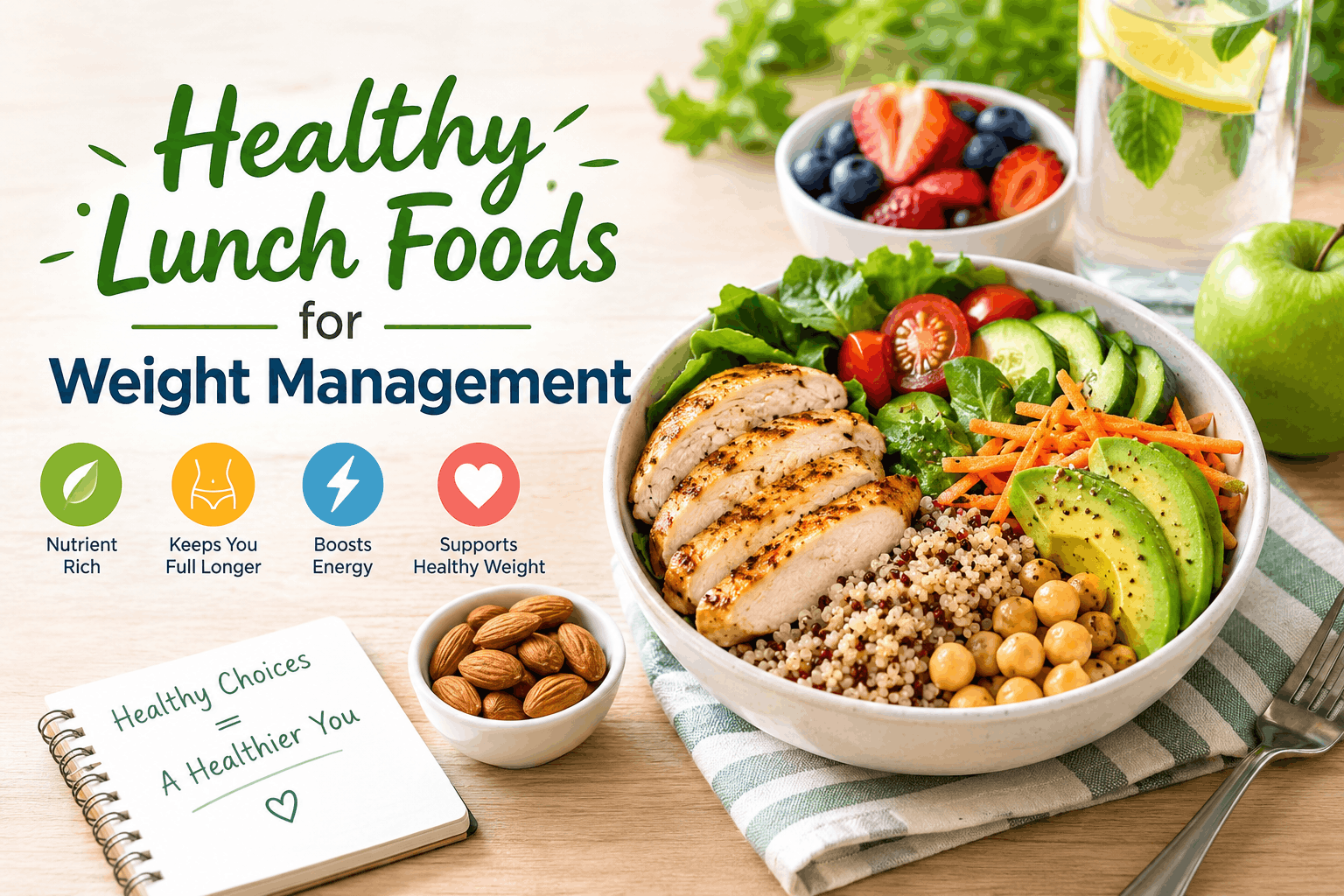
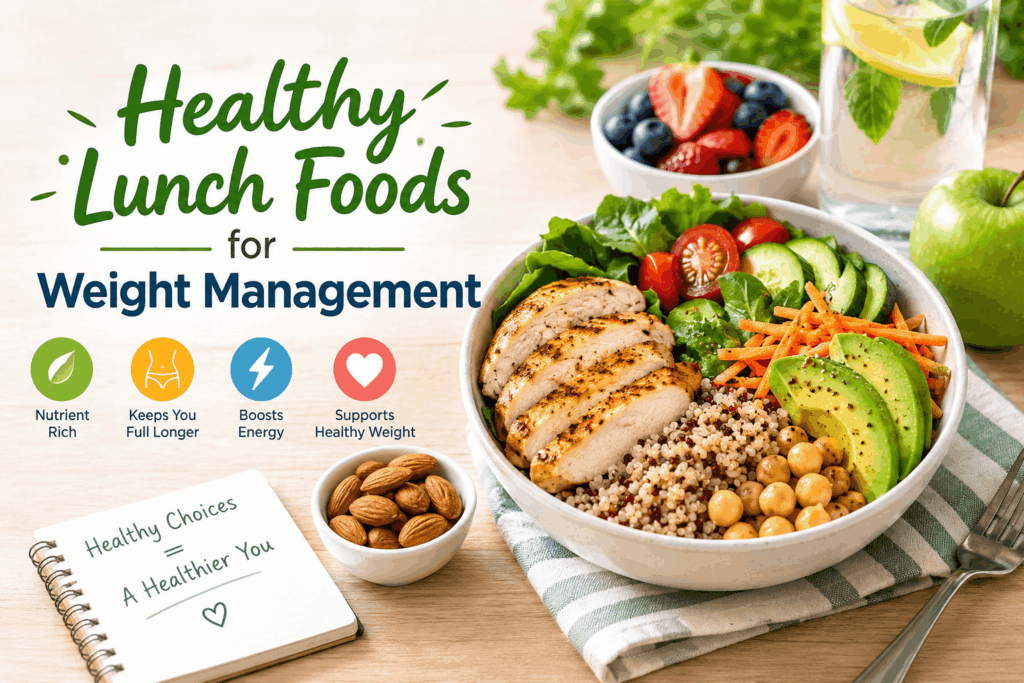
Healthy Lunch Foods for Weight Management
If you’re trying to manage your weight, lunch does not need to be extremely small.
Fiber-rich foods like vegetables, fruits, whole grains, and beans can make meals more satisfying, while protein foods can make them more filling. Focus on overall meal quality instead of calories alone. Since calorie and nutrition needs vary, there is no one perfect lunch size.
Comparison Table
| Chicken | Protein | Wraps, salads, bowls |
| Salmon | Protein and healthy fats | Rice and vegetable bowl |
| Eggs | Protein and convenience | Toast, salad, wraps |
| Lentils | Protein and fiber | Soup or grain bowl |
| Chickpeas | Protein and fiber | Salad or hummus |
| Spinach | Vitamins, minerals, and fiber | Salads and wraps |
| Broccoli | Fiber and nutrients | Grain bowls or side dish |
| Quinoa | Whole-grain carbohydrate and protein | Lunch bowls |
| Brown rice | Whole-grain carbohydrate | Stir-fries and bowls |
| Fruit | Fiber and naturally occurring sugars | Side or dessert |
| Nuts and seeds | Healthy fats and nutrients | Toppings or snack |
| Plain yogurt | Protein and nutrients | Fruit and seed bowl |
Practical Tips
Prepare Two or Three Ingredients in Advance
You do not have to prepare seven complete meals on Sunday.
Instead, cook a protein, prepare a whole grain, and wash or chop several vegetables. You can combine them differently throughout the week.
Keep Emergency Lunch Foods Available
Busy days happen. Keep shelf-stable foods such as canned beans, tuna, whole-grain crackers, nuts, or low-sodium soup available for days when cooking is not possible.
Make Water Your Default Drink
A healthy meal can quickly become less nutritious when paired with a sugar-sweetened drink. Water is a simple everyday choice, while unsweetened tea or other unsweetened beverages can add variety.
Use Herbs and Spices for Flavor
Healthy food does not have to taste bland.
Try garlic, black pepper, paprika, basil, parsley, oregano, lemon juice, vinegar, ginger, or other herbs and spices to add flavor.
Check Nutrition Labels
Packaged foods can vary considerably. When buying bread, sauces, canned foods, yogurt, or ready-made meals, compare labels and look for options with less added sugar and sodium when practical.
Common Mistakes
Making Lunch Too Small
A lunch consisting only of a piece of fruit or a small salad may leave you hungry soon afterward.
Try combining vegetables or fruit with protein and a source of fiber-rich carbohydrates.
Relying Too Much on Processed Meats
Deli meats, sausages, and other processed meats can be convenient, but they may contain considerable amounts of sodium and saturated fat.
Use them occasionally and rotate in alternatives such as chicken, eggs, fish, beans, lentils, or tofu.
Adding Too Much Dressing or Sauce
A healthy salad can become much heavier when large amounts of creamy dressing or sugary sauce are added.
Try using smaller amounts and choosing simpler dressings based on ingredients such as olive oil, vinegar, lemon, herbs, or plain yogurt.
Drinking Your Calories
Soda, sweetened coffee drinks, energy drinks, and other sugary beverages can add substantial amounts of added sugar.
Water is usually the easiest everyday option.
Thinking Carbohydrates Are Unhealthy
Carbohydrates are not automatically unhealthy. Whole grains, beans, fruits, and vegetables can all contribute useful nutrients and fiber.
The quality and overall balance of the meal matter more than avoiding one food group entirely.
Key Takeaways
- The best healthy lunch foods combine protein, vegetables or fruit, fiber-rich carbohydrates, and healthy fats.
- Chicken, fish, eggs, beans, and lentils are practical protein choices.
- Whole grains such as brown rice, quinoa, oats, and whole-grain bread can provide fiber and nutrients.
- Add colorful vegetables and whole fruit whenever possible.
- Nuts, seeds, avocado, and olive oil can provide healthy fats.
- Limit highly processed foods, added sugars, and excessive sodium.
- Meal preparation can make healthy lunches easier on busy workdays.
- There is no single perfect lunch. Variety and overall dietary quality matter.
Frequently Asked Questions
What is the healthiest lunch to eat every day?
There’s no single healthiest lunch that works for everyone. A balanced lunch generally includes a protein source, vegetables or fruit, a fiber-rich carbohydrate, and a source of healthy fat. Rotating different foods helps provide a wider range of nutrients.
What are the best healthy lunch foods for work?
Good work lunch options include chicken and vegetable wraps, salmon grain bowls, lentil soup, chickpea salads, egg sandwiches, and Greek-style yogurt with fruit and nuts. Choose meals that are easy to prepare, transport, and store safely.
What should I eat for lunch to stay full?
Meals containing protein and fiber-rich foods are generally more satisfying than meals made mostly from refined carbohydrates or sugary foods. Try combining foods such as chicken, beans, lentils, eggs, vegetables, whole grains, and fruit.
Are sandwiches healthy for lunch?
Yes. A sandwich can be a healthy lunch when you choose nutrient-rich ingredients. Try whole-grain bread, chicken, tuna, eggs, vegetables, avocado, or hummus. Watch the amounts of high-sodium meats, cheese, and creamy sauces.
Is rice healthy for lunch?
Rice can be part of a healthy lunch. Brown rice and other whole-grain options provide more fiber than refined white rice, although white rice can also fit into a balanced eating pattern. Pair rice with protein and plenty of vegetables.
What is a quick healthy lunch when I have no time?
Try a whole-grain wrap with hummus and vegetables, a bean and avocado bowl, eggs with whole-grain toast and fruit, or plain yogurt with berries, nuts, and seeds. Keeping a few basic ingredients ready can make quick lunches easier.
Can I eat healthy lunch foods for weight management?
Yes. A balanced lunch can support a healthy eating pattern when it fits your overall energy and nutritional needs. Focus on nutrient-dense foods such as vegetables, fruit, whole grains, beans, lean proteins, and healthy fats rather than relying on highly restrictive meals.
Conclusion
Healthy lunches don’t have to be expensive, complicated, or hard to prepare. Often, a nutritious lunch starts with a few simple ingredients you already enjoy.
Build your meal around protein, add colorful vegetables or fruit, choose a fiber-rich carbohydrate, and include some healthy fat. Simple options like chicken bowls, lentil soup, egg toast, chickpea salads, or wraps can keep lunch interesting.
Most importantly, aim for consistency rather than perfection. A healthy lunch is one small part of your overall eating pattern, and simple choices repeated regularly can make a meaningful difference over time. Current nutrition guidance supports a varied eating pattern centered on nutrient-dense foods while limiting excess sodium, added sugars, and highly processed foods.
Disclaimer
This article is published solely for educational and informational purposes. The information provided is intended to increase general awareness and understanding of the topic. It should not be considered medical, insurance, financial, legal, or professional advice. Readers should consult qualified professionals before making any healthcare, insurance, financial, or legal decisions.
References
- Centers for Disease Control and Prevention (CDC)
- U.S. Department of Agriculture (USDA)
- MyPlate
- Dietary Guidelines for Americans
- National Institutes of Health (NIH)
- U.S. Department of Health & Human Services (HHS)
- National Health Service (NHS)
- Government of Canada
- Australian Government Department of Health