Best Foods to Eat Every Day for Better Health: A Simple Guide
Best Foods to Eat Every Day for Better Health
Want to eat healthier without making things complicated? Learn which everyday foods can support better health, plus simple meal ideas that are easy to enjoy and stick with.
best-foods-to-eat-every-day-for-better-health
You do not need a perfect diet to eat better. In fact, some of the most useful changes are surprisingly simple. Adding a piece of fruit to breakfast, choosing whole grains instead of refined grains, eating more vegetables with dinner, or replacing highly processed snacks with nuts or yogurt can gradually improve your diet.
The challenge is knowing which foods are worth making part of your everyday routine. With so much nutrition advice online, it is easy to become confused by conflicting claims about carbohydrates, fats, protein, superfoods, and supplements.
A better approach is to focus on a variety of nutritious foods that provide fiber, protein, vitamins, minerals, and healthy fats. This guide explains the best foods to eat every day for better health, how to combine them into balanced meals, which foods to limit, and simple ways to make healthier choices without giving up the foods you enjoy.
What Are the Best Foods to Eat Every Day?
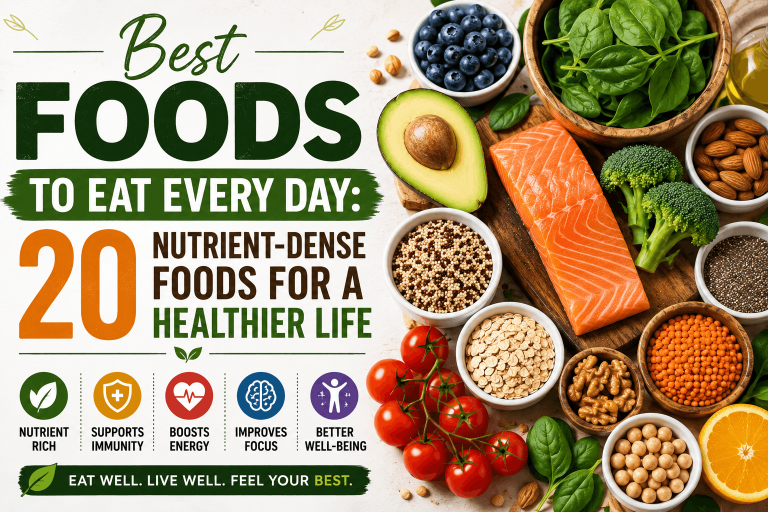
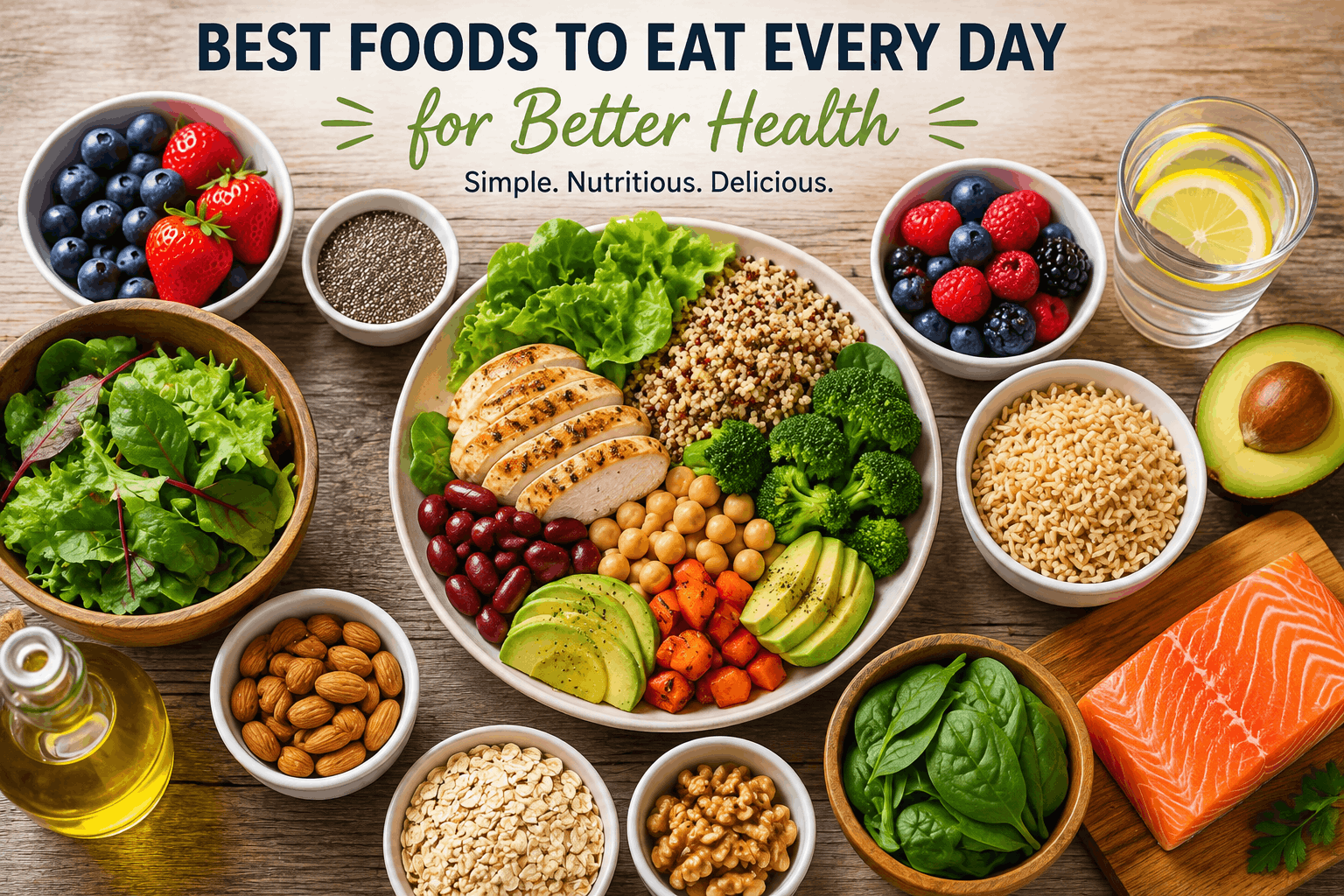
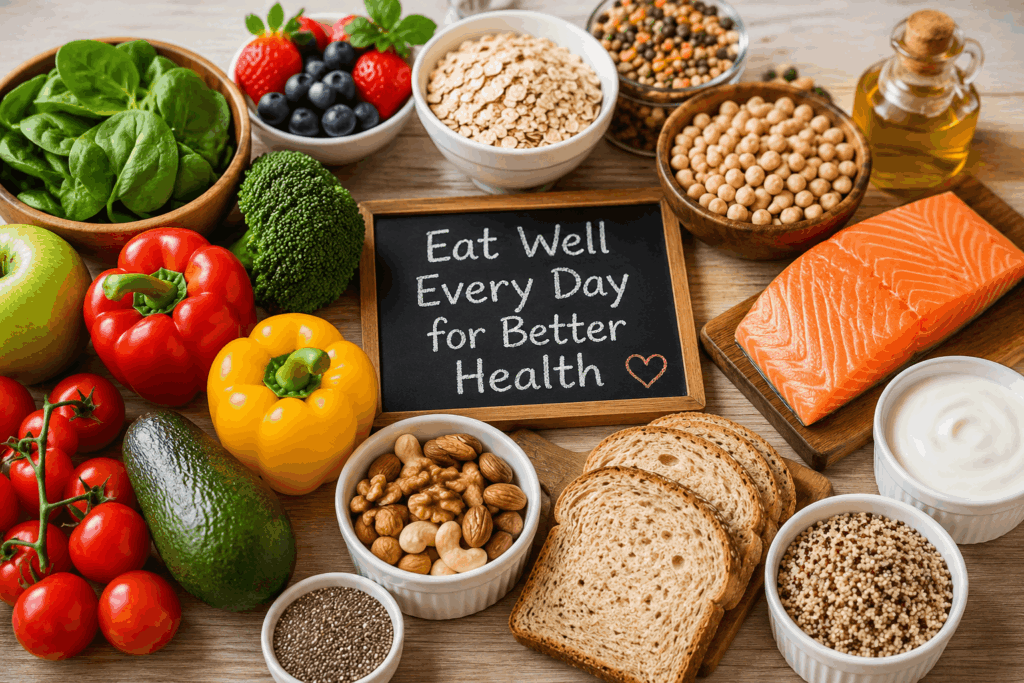
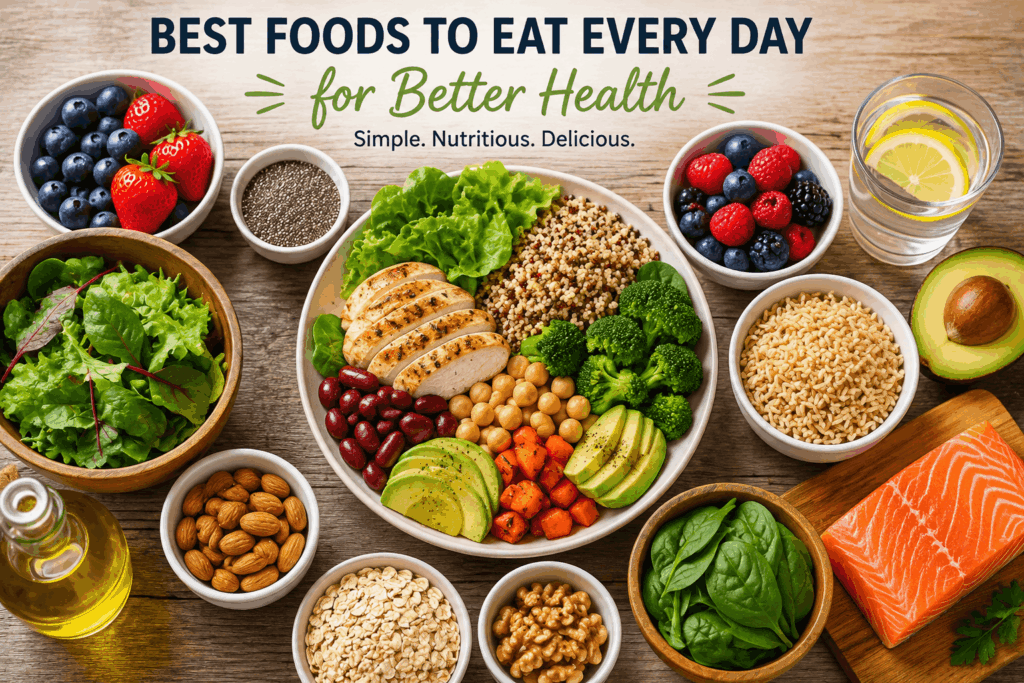
The best foods to eat regularly are nutrient-dense foods such as vegetables, fruits, whole grains, beans and lentils, nuts and seeds, fish, eggs, lean proteins, and nutritious dairy or fortified alternatives. A healthy eating pattern emphasizes variety and moderation rather than relying on one “perfect” food.
1. Vegetables
Vegetables should be a foundation of your daily diet. They provide vitamins, minerals, fiber, and a range of naturally occurring plant compounds.
Try to eat different colors throughout the week. Leafy greens such as spinach and kale, cruciferous vegetables such as broccoli and cabbage, tomatoes, carrots, peppers, and other vegetables can all contribute different nutrients.
You do not have to eat vegetables raw. Steamed, roasted, grilled, sautéed, or added to soups and curries are all practical options.
For example, instead of building dinner around a large serving of meat and a small side of vegetables, make vegetables a substantial part of the plate and add an appropriate portion of protein and whole grains or another nutritious carbohydrate.
2. Fruits
Fruit is an easy way to add fiber, vitamins, minerals, and natural sweetness to your diet.
Good everyday choices include:
- Apples
- Oranges
- Bananas
- Berries
- Kiwi
- Pears
- Peaches
- Melons
Whole fruit is generally a better everyday choice than fruit juice because it provides fiber and requires more chewing. WHO recommends that adults and children over age 10 aim for at least 400 grams of fruits and vegetables combined each day.
A simple habit is to keep fruit visible and ready to eat. An apple with breakfast, berries with yogurt, or a banana as an afternoon snack can make healthy eating easier.
3. Whole Grains
Whole grains provide carbohydrates for energy along with fiber and other nutrients.
Examples include:
- Oats
- Brown rice
- Whole-wheat bread
- Whole-grain pasta
- Barley
- Quinoa
- Whole-grain cereals
Whole grains are different from refined grains because the grain remains more intact, preserving more of its natural components.
If you currently eat mostly white bread or white rice, you do not have to change everything overnight. Start by replacing one serving a day with a whole-grain alternative.
WHO recommends that carbohydrates come primarily from whole grains, vegetables, fruits, and pulses.
4. Beans and Lentils
Beans, lentils, chickpeas, and peas are affordable sources of plant protein, fiber, vitamins, and minerals.
They can also make meals more filling without requiring large portions of meat.
Try adding lentils to soup, chickpeas to salads, black beans to rice dishes, or beans to homemade chili. For people who eat little or no meat, legumes can be especially useful as part of a varied diet.
Canned beans are convenient. If you use them, choosing options with little or no added sodium and rinsing them can help reduce the amount of salt in the meal.
5. Nuts and Seeds
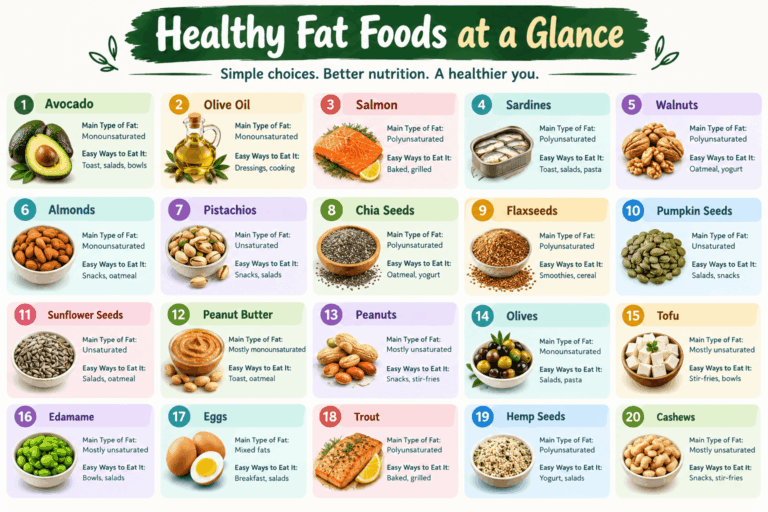
Nuts and seeds are small foods with a lot of nutritional value. Almonds, walnuts, pistachios, peanuts, chia seeds, flaxseeds, pumpkin seeds, and sunflower seeds can provide protein, fiber, minerals, and unsaturated fats.
Because they are energy-dense, portion size still matters. A small handful can be a practical snack or topping for oatmeal, yogurt, salads, or smoothies.
Choose unsalted or lightly salted varieties when possible, particularly if you are trying to reduce sodium intake.
6. Fish and Other Quality Protein Sources
Protein helps maintain and repair body tissues and is an important part of a balanced diet.
Nutritious protein choices include fish, eggs, poultry, beans, lentils, tofu, yogurt, and other protein-rich foods.
Fatty fish such as salmon, sardines, trout, and mackerel are notable sources of omega-3 fatty acids. If you eat fish, including a variety of fish in your diet can be a useful part of an overall healthy eating pattern.
You do not need to eat the same protein every day. Rotating between fish, eggs, poultry, legumes, dairy or fortified alternatives, and plant proteins can increase dietary variety.
7. Eggs
Eggs are a convenient source of protein and several vitamins and minerals. They can also be used in quick meals when you do not have much time to cook.
A boiled egg with whole-grain toast and fruit can make a simple breakfast. Eggs can also be added to vegetable-based meals, salads, or sandwiches.
The overall quality of the meal matters. Eggs served with vegetables and whole grains are a very different dietary pattern from eggs regularly paired with heavily processed meats and refined carbohydrates.
8. Yogurt and Nutritious Dairy or Fortified Alternatives
Plain yogurt, milk, and other nutritious dairy products can provide protein and important nutrients such as calcium.
For people who avoid dairy, fortified alternatives may provide similar nutrients, although nutrition varies considerably between products. Check the label for protein, calcium, vitamin D, and added sugars.
Plain or lower-sugar options are often preferable to heavily sweetened varieties.
Yogurt can be combined with berries, oats, nuts, or seeds for a convenient breakfast or snack.
9. Healthy Fats
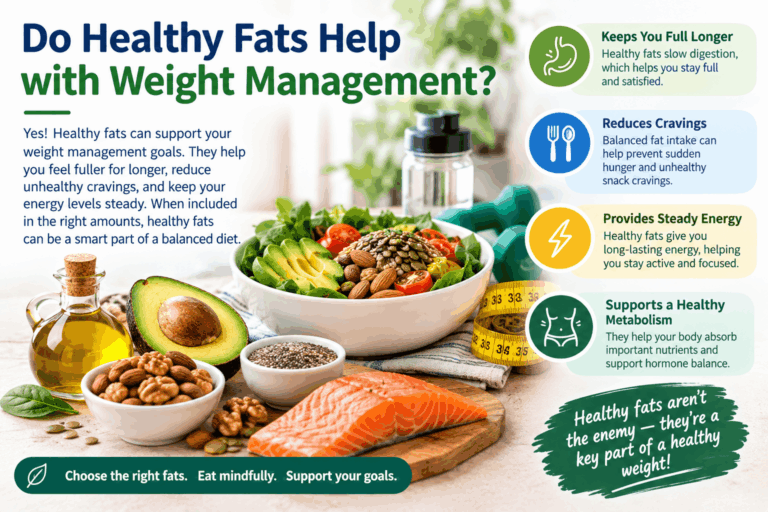
Not all fats should be treated the same way. Unsaturated fats are found in foods such as nuts, seeds, avocados, fish, and plant oils such as olive and canola oil.
WHO recommends shifting fat intake away from saturated and trans fats toward unsaturated fats.
This does not mean you need to eliminate every food containing saturated fat. Instead, look at your overall eating pattern. For example, use olive or canola oil more often when appropriate, add nuts to meals, and choose fish or plant proteins regularly.
10. Water and Healthy Drinks
Food receives most of the attention in nutrition discussions, but beverages matter too.
Water is a simple everyday choice. Unsweetened tea and coffee can also fit into a healthy diet for many adults.
Sugary drinks, energy drinks, and other beverages with substantial amounts of added sugar can make it easy to consume more sugar and calories without feeling full.
Replacing a sugary drink with water is one of the easiest changes you can make.
Comparison Table
| Vegetables | Spinach, broccoli, carrots, peppers | Fiber, vitamins, minerals | Salads, soups, roasted vegetables |
| Fruits | Apples, berries, oranges, bananas | Fiber, vitamins, minerals | Breakfast, snacks, yogurt |
| Whole grains | Oats, brown rice, barley, whole-wheat bread | Fiber, carbohydrates, minerals | Breakfast, rice bowls, sandwiches |
| Legumes | Lentils, beans, chickpeas | Protein, fiber, minerals | Soups, curries, salads |
| Nuts and seeds | Almonds, walnuts, chia, flax | Unsaturated fats, protein, fiber | Snacks, oatmeal, yogurt |
| Fish | Salmon, sardines, trout | Protein, omega-3 fats | Grilled, baked, salads |
| Eggs | Boiled, scrambled, poached | Protein, vitamins, minerals | Breakfast, salads, sandwiches |
| Yogurt | Plain yogurt, Greek yogurt | Protein, calcium | Breakfast, snacks, smoothies |
Practical Tips
Build Meals Around a Simple Formula
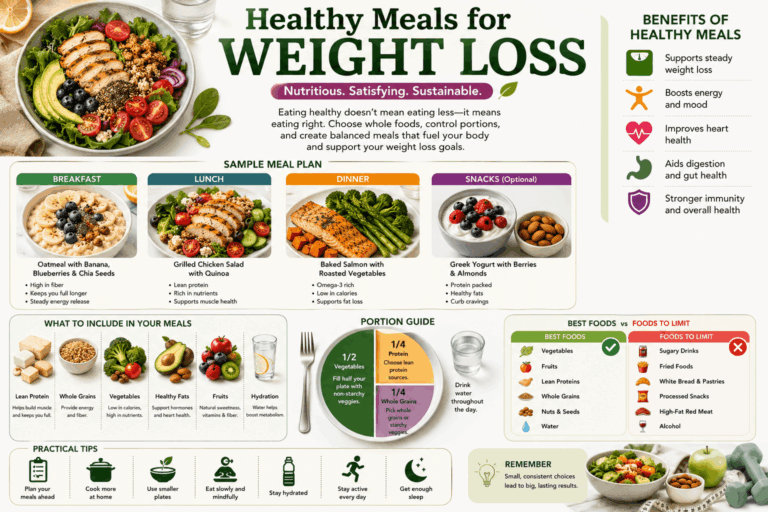
A practical meal can include a vegetable or fruit, a protein source, and a high-fiber carbohydrate. Add a source of healthy fat when appropriate.
For example:
Breakfast: Oatmeal + berries + nuts
Lunch: Whole-grain sandwich + vegetables + fruit
Dinner: Grilled fish + brown rice + roasted vegetables
Snack: Plain yogurt + fruit
The exact portions and foods should vary according to individual nutritional needs, activity level, age, preferences, and health circumstances.
Make Healthy Foods Convenient
Wash fruit when you bring it home. Keep nuts portioned for snacks. Cook a batch of beans or lentils. Prepare vegetables in advance.
Healthy choices become much easier when the healthier option is also the convenient option.
Focus on Variety
Eating the same “healthy” food every day is not necessary. Different foods provide different combinations of nutrients.
Rotate fruits, vegetables, protein sources, and whole grains throughout the week.
Read Food Labels
Packaged foods can vary significantly. When comparing products, look at added sugars, sodium, saturated fat, fiber, and protein.
Do not judge a food solely by a single number. Consider the whole nutritional profile and how the food fits into your overall diet.
Common Mistakes
Thinking One Food Can Transform Your Health
There is no single food that can replace a balanced diet. Blueberries, spinach, eggs, oats, or any other individual food can be nutritious, but overall dietary patterns matter more.
Avoiding All Carbohydrates
Carbohydrates are not automatically unhealthy. Whole grains, fruits, vegetables, and legumes provide carbohydrates along with fiber and other nutrients. WHO specifically recommends getting carbohydrates primarily from these types of foods.
Drinking Too Much Fruit Juice
Fruit juice may contain vitamins and other nutrients, but it can also contain significant amounts of free sugars. Whole fruit is generally the more useful everyday choice.
Eating “Healthy” Foods in Unlimited Amounts
Nutrient-dense foods still contain calories. Nuts, oils, nut butters, dried fruit, and some granola products can be nutritious but energy-dense.
Healthy eating is about balance, not unlimited portions.
Relying Heavily on Highly Processed Foods
Not every processed food is unhealthy. Frozen vegetables, canned beans, plain yogurt, and other convenient products can fit into a nutritious diet.
The bigger concern is relying heavily on highly processed foods that are high in sodium, added sugars, or unhealthy fats while eating too few whole or minimally processed foods.
Key Takeaways
- Eat a variety of vegetables and fruits every day.
- Choose whole grains more often than refined grains.
- Include beans, lentils, nuts, seeds, fish, eggs, or other nutritious protein sources.
- Favor unsaturated fats over saturated and trans fats.
- Drink water regularly and limit sugary beverages.
- Choose foods with less added sugar and sodium.
- Do not rely on one “superfood.” Overall dietary quality matters more.
- Make healthy foods convenient so they are easier to choose consistently.
- A healthy diet should be flexible enough to fit your culture, preferences, budget, and lifestyle.
Frequently Asked Questions
What is the healthiest food to eat every day?
There is no single healthiest food. A balanced pattern that regularly includes vegetables, fruits, whole grains, legumes, nuts, seeds, and nutritious protein sources is more important than focusing on one food.
Which foods should I eat every day for good health?
A practical daily pattern can include vegetables, fruit, a whole-grain food, a protein source, and some healthy unsaturated fat. Water should also be a regular beverage choice.
Are eggs healthy to eat regularly?
Eggs can be part of a healthy diet because they provide protein and several nutrients. How they fit into your diet depends on the rest of your meals and your individual nutritional needs.
Is brown rice healthier than white rice?
Brown rice is a whole grain and generally provides more fiber and some nutrients than refined white rice. However, white rice can still be part of a balanced diet. The overall eating pattern matters.
Should I eat fruit every day?
For most people, whole fruit can be an important part of a healthy diet. Different fruits provide different nutrients, so eating a variety can help improve dietary diversity.
Are nuts good for daily eating?
Nuts can be a nutritious choice because they provide unsaturated fats, protein, fiber, and minerals. Since they are energy-dense, a modest portion is usually practical.
Can healthy eating prevent disease?
A healthy dietary pattern can help reduce the risk of several diet-related health problems, including cardiovascular disease, type 2 diabetes, and some cancers. Diet is only one part of overall health, however, alongside physical activity, sleep, medical care, and other lifestyle factors.
Conclusion
The best foods to eat every day are not exotic or complicated. They are the familiar foods that provide a broad range of nutrients and can become part of a sustainable eating pattern.
Start with the basics: more vegetables and fruit, whole grains, beans and lentils, nuts and seeds, nutritious protein sources, and healthier unsaturated fats. At the same time, reduce your reliance on foods and drinks high in added sugars, sodium, and unhealthy fats.
You do not need to change your entire diet in one day. Small improvements that you can maintain are often more practical than extreme restrictions. Build meals around nutritious foods, enjoy variety, and choose a pattern that works for your lifestyle.
This approach is consistent with the broader guidance from major health organizations, which emphasizes adequacy, balance, moderation, and dietary diversity rather than a one-size-fits-all diet.
Disclaimer
This article is published solely for educational and informational purposes. The information provided is intended to increase general awareness and understanding of the topic. It should not be considered medical, insurance, financial, legal, or professional advice. Readers should consult qualified professionals before making any healthcare, insurance, financial, or legal decisions.
References
- World Health Organization (WHO)
- Food and Agriculture Organization of the United Nations (FAO)
- Centers for Disease Control and Prevention (CDC)
- National Institutes of Health (NIH)
- U.S. Department of Agriculture (USDA)
- U.S. Department of Health & Human Services (HHS)
- National Health Service (NHS)
- Government of Canada
- Australian Government Department of Health and Aged Care
- Mayo Clinic
- Cleveland Clinic