Healthy Snacks for Weight Loss: 20 Filling and Easy Ideas
20 Healthy Snacks for Weight Loss That Keep You Full
Discover 20 healthy snacks for weight loss that are filling, easy to prepare, and rich in protein or fiber to support smarter eating habits.
healthy-snacks-for-weight-loss
It is 3:00 p.m., lunch feels like a distant memory, and the vending machine suddenly looks more appealing than usual. This is a familiar situation for many people trying to lose weight. Hunger can make it difficult to think about long-term goals, especially when quick snacks are everywhere.
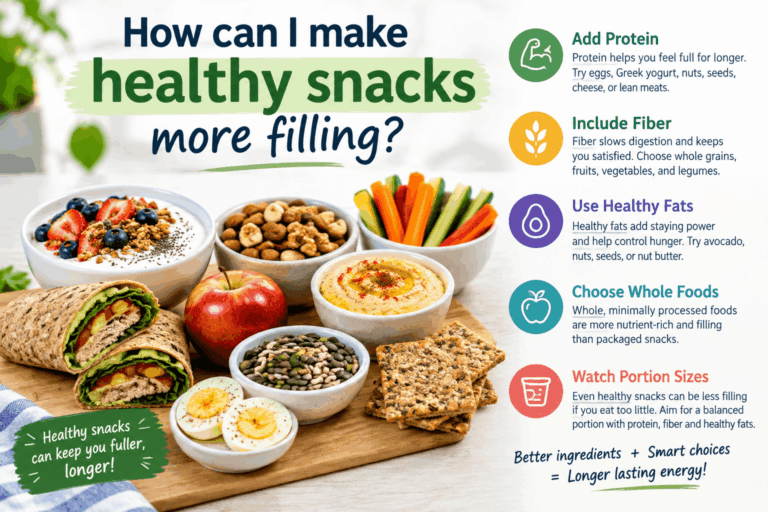
The good news is that snacks do not have to work against weight loss. A well-planned snack can help manage hunger, provide useful nutrients, and make it easier to avoid arriving at the next meal overly hungry. The key is not choosing the lowest-calorie food available. Instead, look for foods that offer a good balance of protein, fiber, healthy fats, or water-rich ingredients.
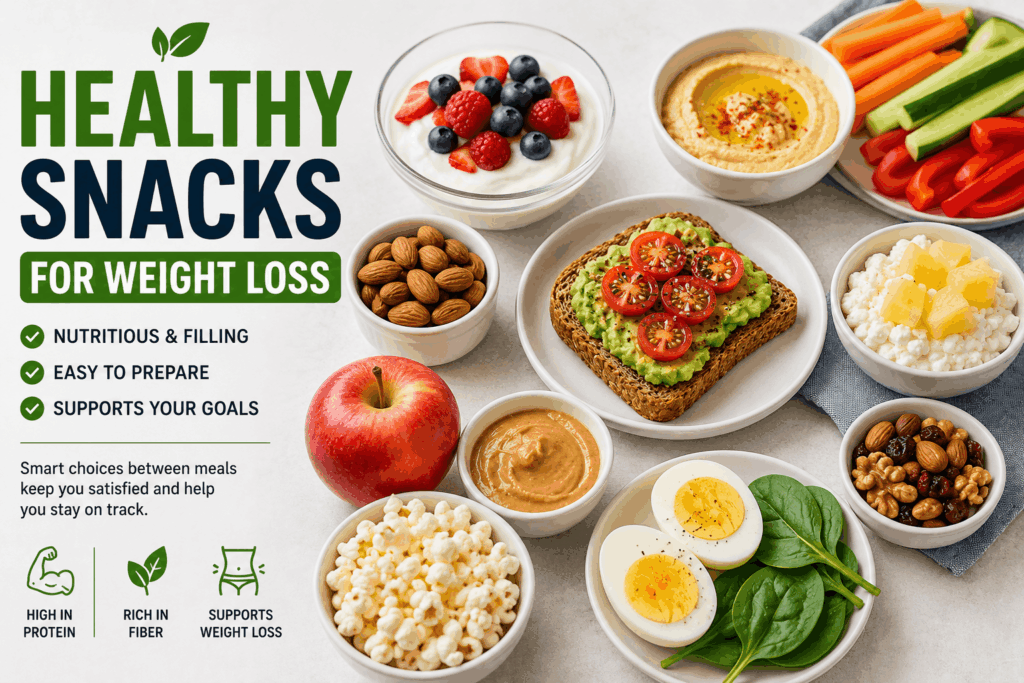
Healthy snacks for weight loss can include Greek yogurt with berries, an apple with nut butter, vegetables with hummus, eggs, popcorn, cottage cheese, or a small portion of nuts. The best choice depends on your hunger level, daily routine, food preferences, and overall eating pattern.
This guide explains what makes a snack weight-loss friendly, shares practical options, and helps you avoid common mistakes that can quietly add extra calories.
What Are Healthy Snacks for Weight Loss?
Healthy snacks for weight loss are satisfying, nutrient-dense foods that fit within your overall energy needs. They often contain protein, fiber, or both, which may help you feel full between meals. Good examples include fruit with yogurt, vegetables with hummus, eggs, nuts in measured portions, and whole-grain snacks.
Why Snacks Can Support a Healthy Weight
Snacking is not automatically helpful or harmful. Its effect depends on what you eat, how much you eat, and whether you are physically hungry.
A balanced snack may help by:
- Reducing intense hunger between meals
- Supporting steady energy during busy days
- Making it easier to choose appropriate portions at meals
- Adding protein, fiber, vitamins, and minerals to the diet
- Replacing highly processed snacks with more nutritious choices
Foods containing protein and fiber are often more satisfying than snacks made mostly from refined carbohydrates or added sugar. Research suggests that whole-food snacks containing protein, fiber, or whole grains may support fullness, although individual responses vary.
It is also important to remember that weight loss is influenced by the overall eating pattern, physical activity, sleep, health conditions, and many other factors. No single snack causes weight loss on its own.
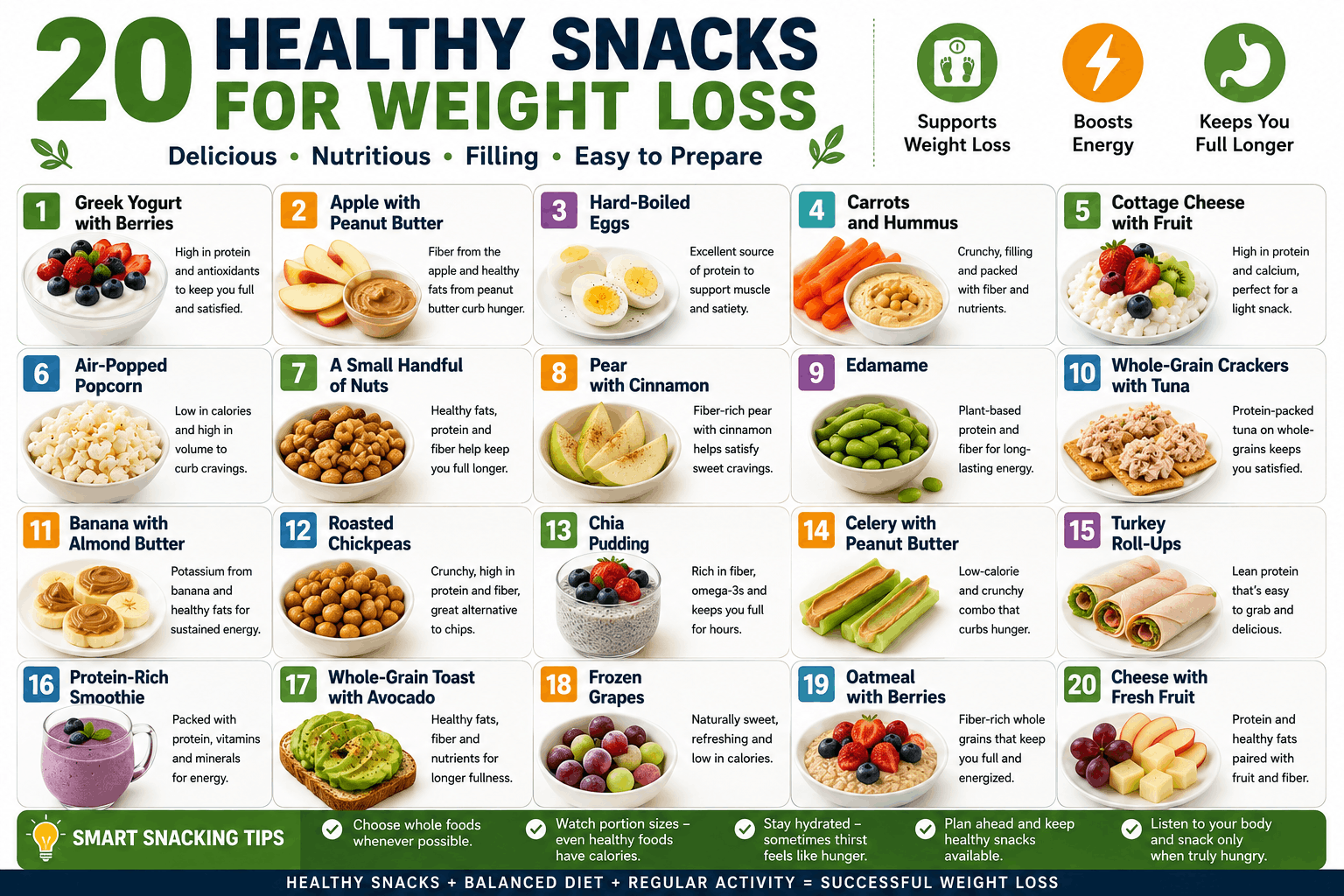
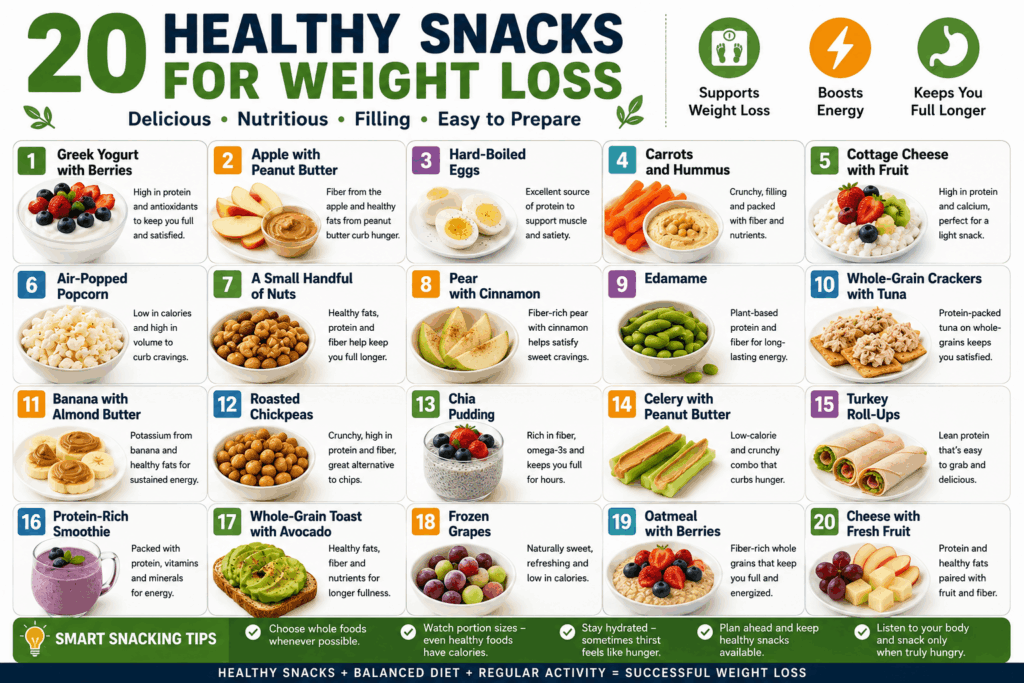
20 Healthy Snacks for Weight Loss
1. Greek Yogurt With Berries
Plain Greek yogurt provides protein, while berries add fiber, flavor, and natural sweetness.
Try:
- Plain Greek yogurt
- A handful of blueberries or strawberries
- Cinnamon or a small amount of chopped nuts
Choose unsweetened yogurt when possible and add your own fruit rather than buying heavily sweetened varieties.
2. Apple With Natural Peanut Butter
An apple provides fiber and crunch. Peanut butter adds protein and unsaturated fat.
Use a measured amount of peanut butter because it is calorie-dense. A thin layer or small spoonful is often enough.
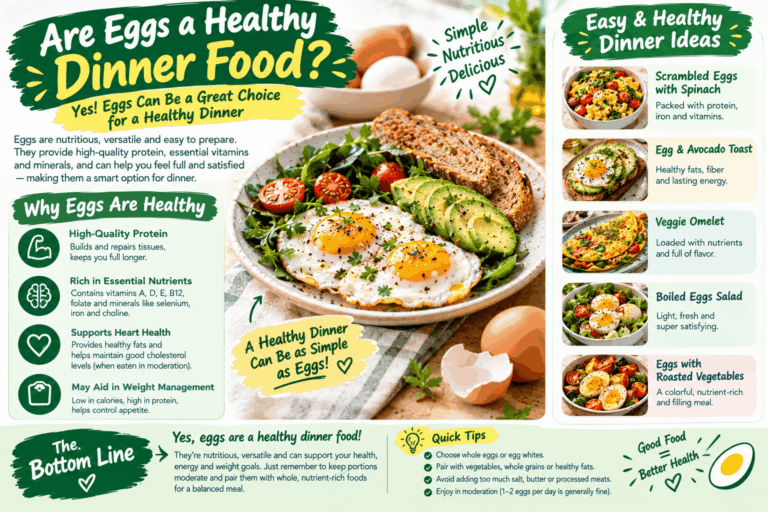
3. Hard-Boiled Eggs
Hard-boiled eggs are portable, affordable, and easy to prepare ahead of time.
Pair one or two eggs with:
- Cherry tomatoes
- Cucumber slices
- A piece of fruit
4. Carrots and Hummus
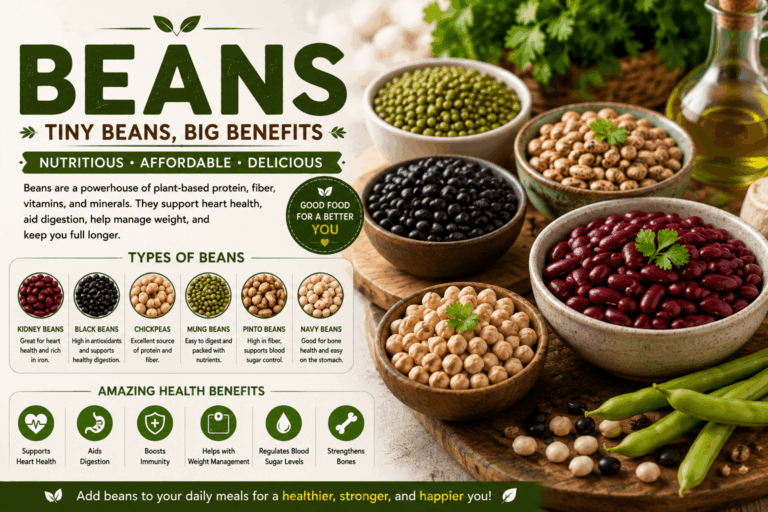
Crunchy vegetables add volume with relatively few calories, while hummus provides plant-based protein and fiber.
Other vegetables that work well include:
- Bell peppers
- Celery
- Cucumber
- Sugar snap peas
The CDC recommends keeping nutritious options such as chopped vegetables, unsweetened yogurt, nuts, seeds, and whole-grain foods available at home or work.
5. Cottage Cheese With Fruit
Cottage cheese is a protein-rich option that can be served with berries, pineapple, peaches, or sliced pear.
Check the nutrition label if you are monitoring sodium intake.
6. Air-Popped Popcorn
Popcorn is a whole grain and can be a satisfying snack when prepared without large amounts of butter, sugar, or heavy toppings.
Season it with:
- Cinnamon
- Paprika
- Garlic powder
- A small amount of grated cheese
7. A Small Handful of Nuts
Almonds, walnuts, pistachios, and peanuts provide protein, fiber, and unsaturated fats.
Nuts are nutritious but energy-dense, so portion size matters. Put a small serving into a bowl rather than eating directly from a large package. The NHS notes that unsalted nuts can be a healthy snack but should be eaten in moderation.
8. Pear With Cinnamon
Pears contain fiber and have a naturally sweet flavor. Sprinkle cinnamon on sliced pear for a simple snack without added sugar.
9. Edamame
Edamame provides plant protein and fiber. It can be served warm or cold and lightly seasoned.
This is a useful option for people following vegetarian or plant-based eating patterns.
10. Whole-Grain Crackers With Tuna
Choose whole-grain crackers and add tuna mixed with plain yogurt, mustard, or herbs.
This snack may be especially satisfying when you need something more substantial than fruit alone.
11. Banana With Almond Butter
A banana is convenient and provides carbohydrates for energy. Almond butter adds fat and protein.
Use a modest portion of nut butter to keep the snack balanced.
12. Roasted Chickpeas
Roasted chickpeas are crunchy and provide plant protein and fiber.
Make them at home with:
- Cooked chickpeas
- A small amount of oil
- Paprika or cumin
- Light seasoning
13. Chia Pudding
Chia seeds absorb liquid and create a thick pudding-like texture.
Combine chia seeds with unsweetened milk or a fortified plant-based alternative. Add berries or cinnamon for flavor.
14. Celery With Peanut Butter
Celery adds crunch and volume, while peanut butter makes the snack more filling.
This option works well when you want something savory and quick.
15. Turkey Roll-Ups
Wrap slices of lean turkey around:
- Cucumber
- Bell pepper strips
- A small amount of cheese
Choose lower-sodium options when available.
16. Protein-Rich Smoothie
A smoothie can be useful when you need a portable snack.
A balanced version may include:
- Unsweetened Greek yogurt
- Berries
- Spinach
- Water or unsweetened milk
Avoid turning a snack smoothie into a large, high-calorie drink by adding several sweeteners, large amounts of nut butter, or multiple servings of fruit.
17. Whole-Grain Toast With Avocado
Whole-grain toast provides fiber, while avocado supplies unsaturated fat.
Add tomato slices, black pepper, or a boiled egg for extra flavor and protein.
18. Frozen Grapes
Frozen grapes are refreshing and naturally sweet. They can be useful when you want a dessert-like snack.
Pair them with yogurt if you need a more filling option.
19. Oatmeal With Berries
A small bowl of plain oatmeal can work as a snack, especially on cold days.
Add:
- Berries
- Cinnamon
- A spoonful of yogurt
- A few chopped nuts
Avoid flavored oatmeal packets with large amounts of added sugar.
20. Cheese With Fresh Fruit
A small serving of cheese paired with an apple, pear, or berries provides protein and fat alongside fiber.
Choose a reasonable portion because cheese can be high in calories and saturated fat.
Healthy Snack Comparison Table
| Greek yogurt and berries | Protein and fiber | Afternoon hunger | Yogurt with fresh berries |
| Apple and peanut butter | Fiber and healthy fat | Sweet cravings | Apple with a small spoonful |
| Hard-boiled eggs | Protein | Busy schedules | Eggs with cucumber |
| Vegetables and hummus | Fiber and plant protein | Crunchy cravings | Carrots with hummus |
| Popcorn | Whole-grain volume | Movie or evening snacks | Air-popped and lightly seasoned |
| Cottage cheese and fruit | Protein | Strong hunger | Cottage cheese with berries |
| Nuts | Healthy fats and fiber | Portable snacks | Small measured handful |
| Edamame | Plant protein | Vegetarian diets | Lightly seasoned |
| Roasted chickpeas | Fiber and crunch | Chips replacement | Home-roasted chickpeas |
| Whole-grain toast and avocado | Fiber and healthy fat | More substantial hunger | One slice with avocado |
How to Choose a Healthy Snack for Weight Loss
Look for Protein or Fiber
Protein and fiber may help make snacks more satisfying. Good combinations include:
- Fruit plus yogurt
- Vegetables plus hummus
- Whole-grain crackers plus tuna
- Apple plus peanut butter
Protein-rich foods such as yogurt, eggs, legumes, fish, poultry, tofu, and nuts can be part of a balanced eating pattern.
Choose Foods With Minimal Added Sugar
A snack does not have to be sugar-free, but heavily sweetened foods may be easy to overeat and may not keep you full for long.
Check labels for:
- Added sugars
- Serving size
- Protein
- Fiber
- Sodium
Pay Attention to Portion Size
Even nutritious foods can provide more calories than expected when eaten in large amounts.
Common examples include:
- Nuts
- Nut butter
- Granola
- Trail mix
- Cheese
- Smoothies
Pre-portion snacks instead of eating from the package.
Ask Whether You Are Actually Hungry
Before eating, consider:
“Would I eat an apple, yogurt, or another simple food right now?”
If the answer is yes, you may be physically hungry. If you only want a specific food after stress, boredom, or a difficult day, the urge may be connected to emotion or habit.
There is nothing wrong with enjoying food, but understanding the reason for snacking can help you make a more intentional choice.
Practical Tips for Healthy Snacking
- Prepare snacks before hunger becomes intense.
Wash and cut vegetables, boil eggs, or portion nuts in advance.
- Keep healthy choices visible.
Place fruit on the counter or keep yogurt at eye level in the refrigerator.
- Build a protein-and-fiber combination.
For example, pair fruit with yogurt or vegetables with hummus.
- Avoid eating directly from large packages.
Use a bowl or container so you can see the amount you are eating.
- Plan for busy days.
Keep shelf-stable options such as unsalted nuts, whole-grain crackers, or lower-sugar snack packs at work or in a bag.
- Drink water regularly.
Thirst and hunger can sometimes feel similar. Drinking water may help you better understand what your body needs.
- Do not force yourself to snack.
Some people feel better eating snacks between meals, while others prefer fewer eating occasions. Choose a routine that supports your hunger, schedule, and overall eating pattern.
Common Mistakes to Avoid
Choosing “Diet” Snacks Without Reading Labels
A product labeled “low-fat,” “natural,” or “protein-rich” is not automatically a balanced choice. Some products contain substantial amounts of added sugar or are sold in very large portions.
Treating Granola as a Free Food
Granola can be nutritious, but it is often calorie-dense. Measure it instead of pouring freely from the bag.
Drinking Large Calories
Smoothies, flavored coffees, milkshakes, and sweetened drinks may add significant calories without being as satisfying as solid food.
Skipping Meals and Then Over-Snacking
Skipping meals may leave some people extremely hungry later. A balanced meal schedule may make snack choices easier.
Using Snacks as a Substitute for Balanced Meals
A snack is not always enough to replace lunch or dinner. If you are regularly very hungry, your meals may need more protein, fiber, or overall food.
Expecting One Food to Cause Weight Loss
No food melts fat or guarantees weight loss. Long-term progress usually comes from sustainable habits and an overall eating pattern that fits your needs.
Key Takeaways
- Healthy snacks for weight loss should be satisfying, nutritious, and appropriate for your overall eating pattern.
- Protein and fiber can help support fullness.
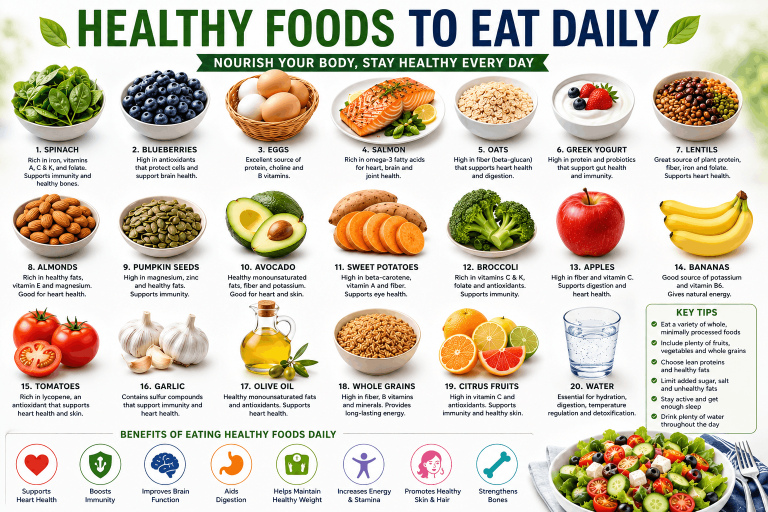
- Greek yogurt, fruit, eggs, vegetables, hummus, popcorn, nuts, and cottage cheese are practical choices.
- Portion size matters, especially with nuts, nut butter, cheese, granola, and smoothies.
- A healthy snack does not need to be expensive or complicated.
- Snacks can support weight management, but no single snack causes weight loss.
- Consistency matters more than choosing a “perfect” snack.
Frequently Asked Questions
What is the healthiest snack for weight loss?
There is no single best option for everyone. Greek yogurt with berries, an apple with a small amount of nut butter, vegetables with hummus, and eggs are balanced choices.
Are snacks necessary for weight loss?
No. Some people prefer snacks, while others feel satisfied eating regular meals. The best approach depends on hunger, schedule, and overall food intake.
Can I eat fruit while trying to lose weight?
Yes. Whole fruit provides fiber, water, vitamins, and minerals. The CDC notes that fruits and vegetables can add volume to meals and snacks while generally being relatively low in calories.
Are nuts good for weight loss?
Nuts can fit into a weight-loss eating pattern because they provide protein, fiber, and healthy fats. However, they are calorie-dense, so measured portions are helpful.
Is popcorn good for weight loss?
Air-popped popcorn can be a satisfying whole-grain snack. Large amounts of butter, sugar, or heavy toppings can significantly increase calories.
What should I eat at night when trying to lose weight?
Choose a snack based on genuine hunger. Greek yogurt, fruit, cottage cheese, or a small serving of popcorn may be suitable options.
Are protein bars healthy?
Some protein bars are convenient, but quality varies. Check the ingredient list, protein content, added sugar, and serving size. Whole foods are often a simpler everyday choice.
Conclusion
Healthy snacks for weight loss do not need to be restrictive, expensive, or complicated. A satisfying snack usually combines one or more useful nutrients, such as protein, fiber, or healthy fats, while fitting comfortably into your overall eating pattern.
Instead of searching for a “fat-burning” food, focus on snacks that help you manage hunger and support consistent habits. Greek yogurt with berries, fruit with nut butter, vegetables with hummus, eggs, popcorn, and cottage cheese are all practical choices.
The most effective snack is one you enjoy, can prepare regularly, and can include without feeling deprived. Sustainable eating habits are usually more useful than short-term food rules.
Disclaimer
This article is published solely for educational and informational purposes. The information provided is intended to increase general awareness and understanding of the topic. It should not be considered medical, insurance, financial, legal, or professional advice. Readers should consult qualified professionals before making any healthcare, insurance, financial, or legal decisions.
References
- World Health Organization (WHO)
- Centers for Disease Control and Prevention (CDC)
- National Institutes of Health (NIH)
- U.S. Department of Agriculture (USDA)
- National Health Service (NHS)
- Harvard T.H. Chan School of Public Health
- Mayo Clinic
- Cleveland Clinic
- Australian Government Department of Health
- Health Canada