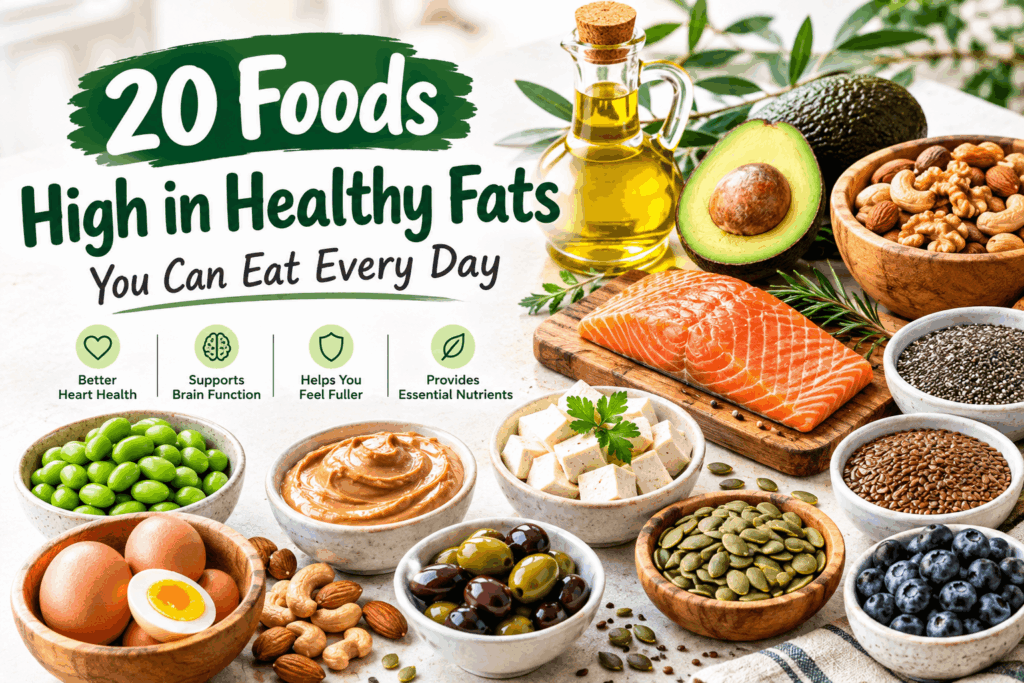
20 Foods High in Healthy Fats You Can Eat Every Day
20 Foods High in Healthy Fats for Everyday Eating
Discover 20 healthy fat foods to add to your daily diet, from avocados and nuts to olive oil and fatty fish, plus practical tips for balanced meals.
foods-high-in-healthy-fats
For years, people often treated dietary fat as something to avoid. Today, we have a clearer picture: your body needs fat, and the type you choose matters.
If you’re putting together breakfast, packing lunch for work, or trying to make simple dinners more nutritious, healthy Fat foods can be easy to incorporate into your meals. Examples include avocado on toast, nuts with yogurt, olive oil over vegetables, or salmon with dinner.
The key is balance. Healthy fats are calorie-dense, so you don’t need large portions to benefit from including them in an overall nutritious eating pattern.
In this guide, you’ll find 20 foods high in healthy fats, why each one is useful, simple ways to eat them, and a few common mistakes to avoid.
What Are Foods High in Healthy Fats?
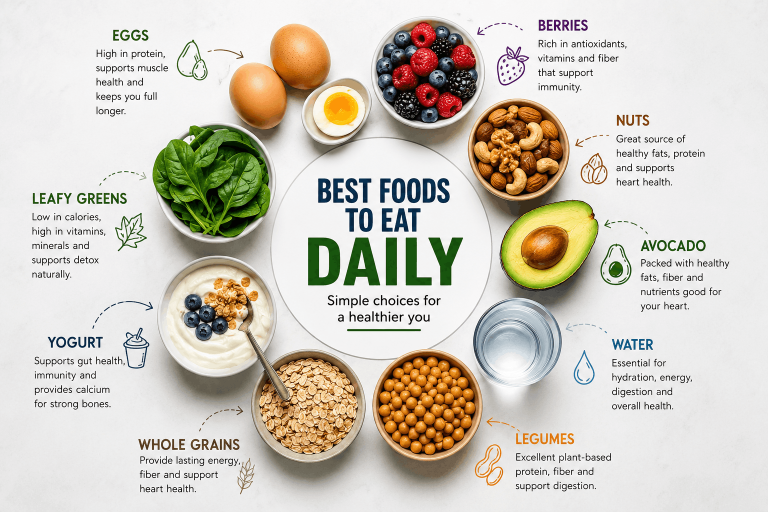
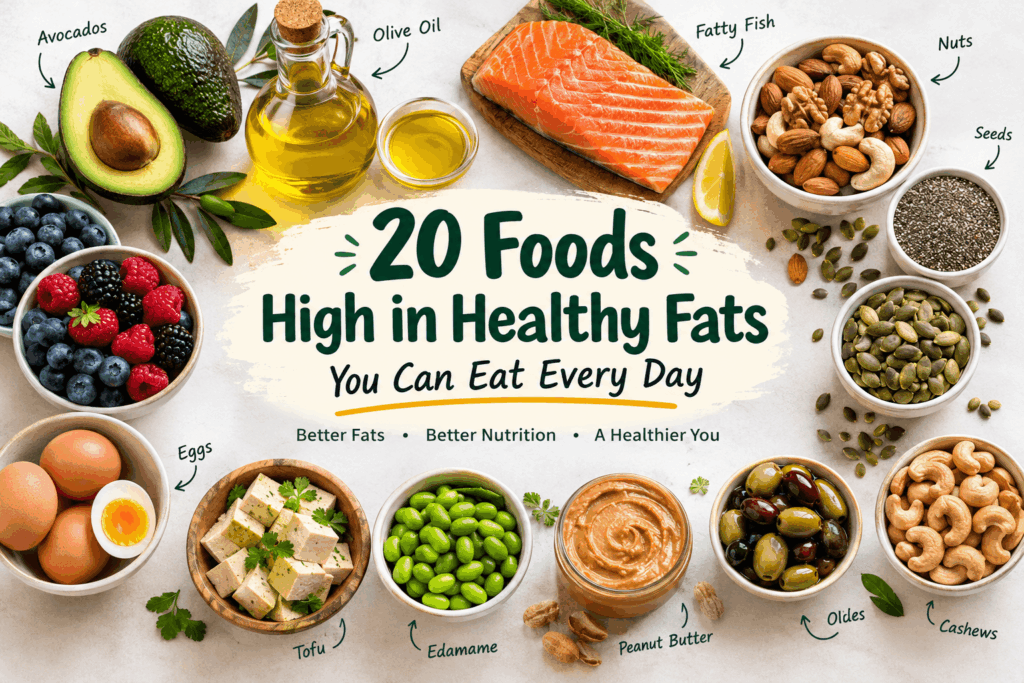
Foods high in healthy fats are foods that provide mostly unsaturated fats, including monounsaturated and polyunsaturated fats. Examples include avocados, nuts, seeds, olive oil, and fatty fish. These foods can fit into a balanced diet alongside vegetables, fruits, whole grains, and protein-rich foods.
Why Does Your Body Need Dietary Fat?
Fat is an essential nutrient. Your body uses it for energy, cell structure, hormone production, and other normal functions.
Dietary fat also helps your body absorb fat-soluble vitamins such as vitamins A, D, E, and K.
The important distinction is that different types of fat can have different effects on health. Unsaturated fats are generally considered healthier choices than saturated and trans fats. Replacing some foods high in saturated fat with foods containing unsaturated fat can support heart-healthy eating.
That doesn’t mean you need to eliminate every food containing saturated fat. Instead, focus on the overall pattern of your diet and make sources of unsaturated fat a regular part of your meals.
20 Foods High in Healthy Fats
1. Avocados
Avocados are rich in monounsaturated fat and also provide fiber, potassium, and other nutrients.
They’re especially convenient because they require little preparation. Add sliced avocado to whole-grain toast, salads, sandwiches, grain bowls, or eggs.
For a quick snack, mash avocado with lemon juice and spread it over whole-grain crackers.
2. Extra-Virgin Olive Oil
Extra-virgin olive oil is a staple of many healthy eating patterns and is rich in monounsaturated fat.
Use it to dress salads, drizzle over cooked vegetables, or make simple homemade marinades. It can also be used for cooking, although the appropriate cooking oil depends on the temperature and recipe.
Because oil is calorie-dense, a Small amount can go a long way.
3. Salmon
Salmon is a fatty fish that provides unsaturated fat, including omega-3 fatty acids. It’s also an excellent source of protein and provides nutrients such as vitamin B12 and vitamin D.
Try baked or grilled salmon with vegetables and whole grains for a balanced dinner.
4. Sardines
Sardines are another convenient fatty fish. They provide omega-3 fats and protein, and canned sardines can be especially practical when you don’t have time to cook.
Add them to whole-grain toast, salads, pasta, or a simple grain bowl.
5. Walnuts
Walnuts contain polyunsaturated fats and are one of the better-known plant sources of alpha-linolenic acid, an omega-3 fatty acid.
Keep a small portion available for a quick snack, or sprinkle chopped walnuts over oatmeal, yogurt, salads, or roasted vegetables.
Choose plain or lightly processed varieties when possible.
6. Almonds
Along with monounsaturated fats, almonds offer plant-based protein, dietary fiber, magnesium, and vitamin E.
A small handful can make a convenient snack between meals. Sliced almonds also work well in oatmeal, yogurt, salads, and homemade energy-style snack mixes.
7. Pistachios
Pistachios provide unsaturated fats, protein, and fiber. They can also be a convenient choice when you need a filling snack but do not want to prepare an entire meal.
Choose unsalted or lightly salted pistachios if you’re trying to keep sodium intake lower.
8. Chia Seeds
Chia seeds are small but nutrient-dense. They provide polyunsaturated fats, including alpha-linolenic acid, along with fiber and minerals.
Stir them into oatmeal or yogurt, add them to smoothies, or use them to make chia pudding.
Because they absorb liquid, it’s helpful to consume them as part of a food or beverage rather than eating large amounts dry.
9. Flaxseeds
Ground flaxseed provides alpha-linolenic acid, fiber, and other plant compounds.
Ground flaxseed is often easier to use than whole flaxseed because it blends well into everyday foods. Stir it into oatmeal or yogurt, add it to smoothies, or mix it into homemade whole-grain baked goods.
10. Pumpkin Seeds
Pumpkin seeds, also called pepitas when shelled, provide unsaturated fats, protein, magnesium, and other nutrients.
Sprinkle them over salads or soups, mix them into oatmeal, or enjoy a small serving as a snack.
11. Sunflower Seeds
Sunflower seeds provide unsaturated fats, vitamin E, protein, and other nutrients.
They make an easy addition to salads, yogurt bowls, oatmeal, or homemade trail mix.
Check the nutrition label when buying packaged varieties because some contain considerable amounts of added salt.
12. Peanut Butter
Peanut butter provides mostly unsaturated fat along with protein and other nutrients.
Spread it on whole-grain toast, add a spoonful to oatmeal, or pair it with apple slices.
When choosing peanut butter, look for products with a simple ingredient list and little or no added sugar or excess sodium.
13. Natural Peanut Products
Whole peanuts and peanut-based foods can both contribute healthy fats to the diet.
Unsalted peanuts make a budget-friendly snack, and chopped or crushed peanuts can bring extra crunch to salads, stir-fries, and grain-based bowls.
Portion size still matters because peanuts are energy-dense.
14. Olives
Olives are mostly monounsaturated fat and can add flavor to meals without requiring complicated preparation.
Add them to salads, grain bowls, pasta dishes, or Mediterranean-style meals.
Because olives are often cured in salty brines, check the sodium content if you’re limiting salt.
15. Tofu
Tofu is made from soybeans and can provide both protein and unsaturated fat.
It’s a versatile choice for people who enjoy plant-based meals. Add baked tofu to grain bowls, stir-fries, salads, or vegetable dishes.
The nutritional profile varies between tofu products, so checking the label can help you compare options.
16. Edamame
Edamame are young soybeans that provide protein, fiber, and unsaturated fat. Edamame can be enjoyed on its own as a snack or incorporated into salads, soups, rice bowls, and stir-fry dishes. Frozen edamame is especially practical because it keeps well in the freezer
17. Eggs
Beyond their protein content, eggs provide several types of Fats along with a variety of vitamins and minerals that contribute to a nutritious diet.
For many people, eggs can fit comfortably into a balanced diet. Pairing them with vegetables and whole-grain foods can create a more nutrient-dense meal.
The overall dietary pattern matters more than treating one food as either completely healthy or unhealthy.
18. Trout
Trout is another fatty fish that provides omega-3 fatty acids and high-quality protein.
Try baked trout with roasted vegetables and brown rice, quinoa, or another whole grain.
If you don’t eat fish regularly, canned or frozen options can make it easier to include seafood in your routine.
19. Hemp Seeds
Hemp seeds provide unsaturated fats, protein, and minerals.
Their mild flavor makes them easy to add to foods you already eat. Sprinkle them over oatmeal, salads, yogurt, or roasted vegetables.
20. Cashews
Cashews provide mostly unsaturated fats along with protein, magnesium, copper, and other nutrients.
They work well as a snack or as an ingredient in stir-fries, salads, and homemade sauces.
As with other nuts, a modest serving is usually enough because they are relatively high in calories.
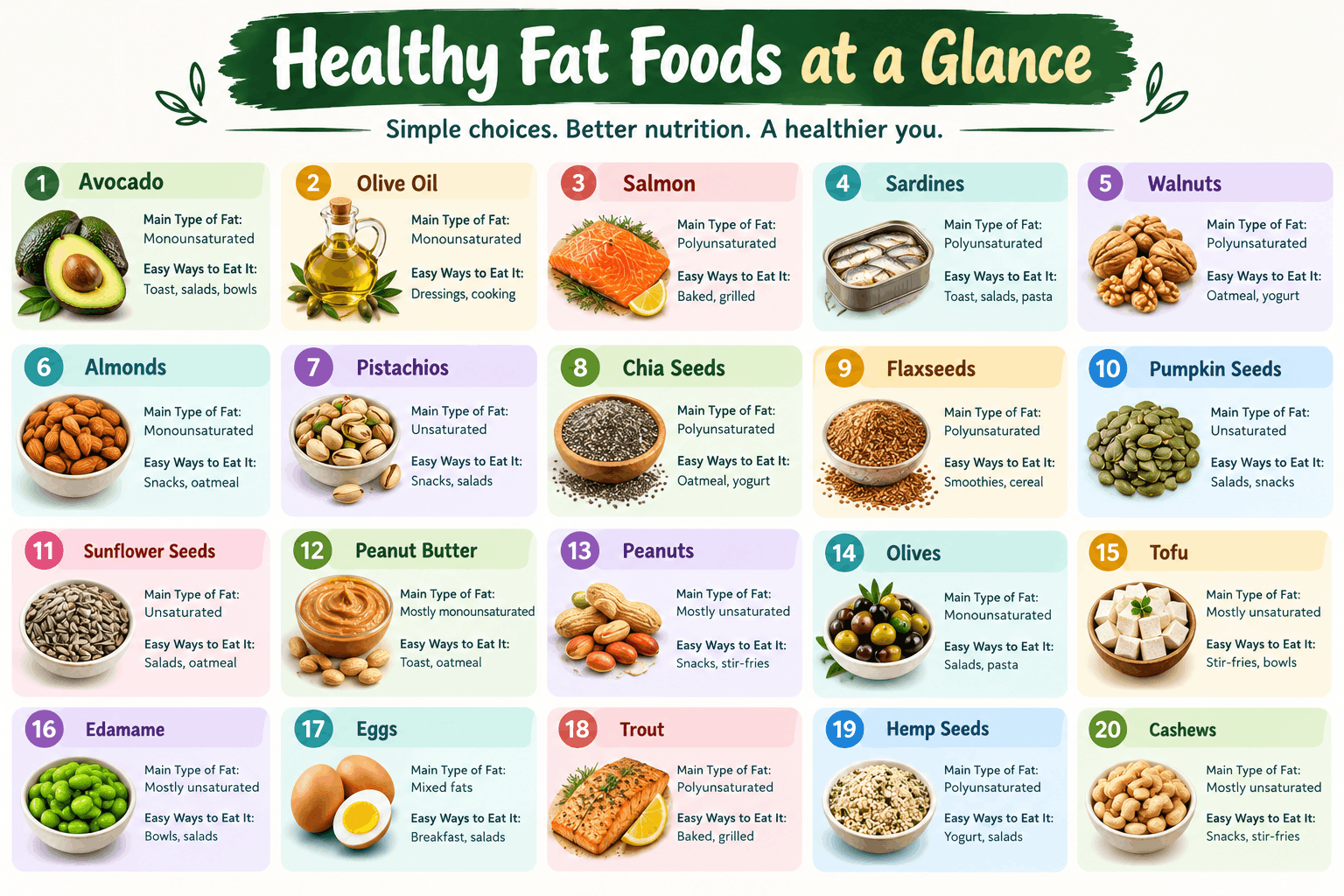
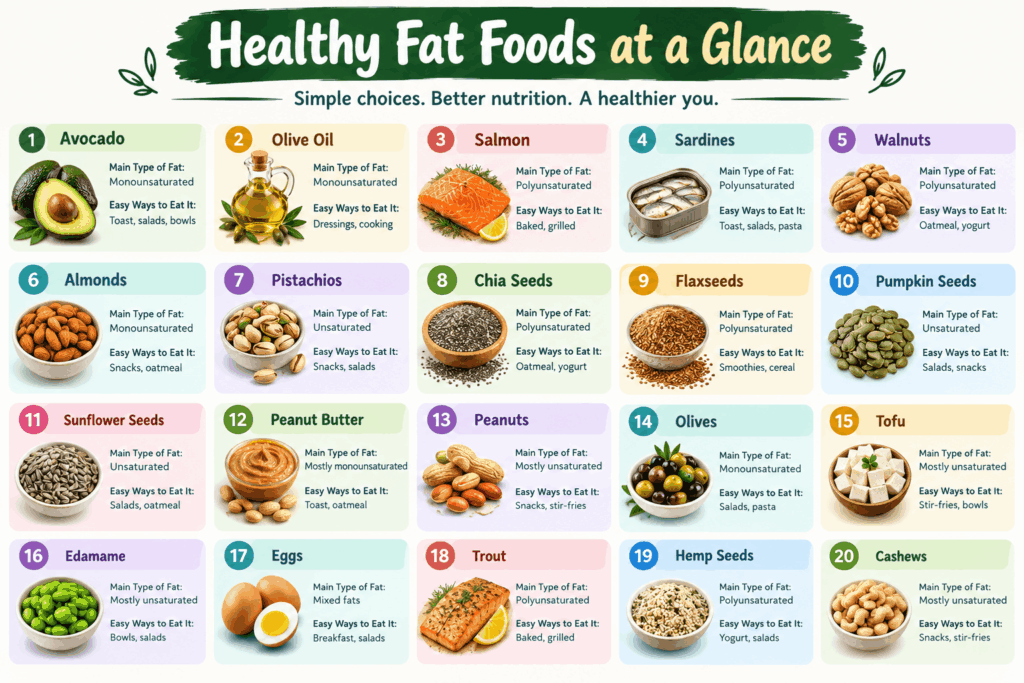
Healthy Fat Foods at a Glance
| Avocado | Monounsaturated | Toast, salads, bowls |
| Olive oil | Monounsaturated | Dressings, cooking |
| Salmon | Polyunsaturated | Baked, grilled |
| Sardines | Polyunsaturated | Toast, salads |
| Walnuts | Polyunsaturated | Oatmeal, yogurt |
| Almonds | Monounsaturated | Snacks, oatmeal |
| Pistachios | Unsaturated | Snacks, salads |
| Chia seeds | Polyunsaturated | Oatmeal, yogurt |
| Flaxseeds | Polyunsaturated | Smoothies, cereal |
| Pumpkin seeds | Unsaturated | Salads, snacks |
| Sunflower seeds | Unsaturated | Salads, oatmeal |
| Peanut butter | Mostly monounsaturated | Toast, oatmeal |
| Peanuts | Mostly unsaturated | Snacks, stir-fries |
| Olives | Monounsaturated | Salads, pasta |
| Tofu | Mostly unsaturated | Stir-fries, bowls |
| Edamame | Mostly unsaturated | Bowls, salads |
| Eggs | Mixed fats | Breakfast, salads |
| Trout | Polyunsaturated | Baked, grilled |
| Hemp seeds | Polyunsaturated | Yogurt, salads |
| Cashews | Mostly unsaturated | Snacks, stir-fries |
How Much Healthy Fat Should You Eat?
There isn’t one ideal amount of fat that works for every person. Your needs depend on your overall calorie intake, age, activity level, health needs, and dietary pattern.
Rather than trying to add large amounts of fat to every meal, use healthy-fat foods to replace less nutritious choices.
For example, you might:
- Use olive oil-based dressing instead of a creamy dressing.
- Add walnuts to oatmeal instead of sugary toppings.
- Choose avocado on whole-grain toast.
- Have salmon instead of a meal centered around processed meat.
- Add seeds to yogurt instead of heavily sweetened toppings.
The goal is balance, not simply eating more fat.
Practical Tips
Build Meals Around a Simple Formula
A straightforward meal can include a source of protein, vegetables or fruit, a whole grain or other carbohydrate source, and a modest portion of healthy fat.
For example, try salmon with broccoli, brown rice, and a drizzle of olive oil.
Keep Healthy Fat Foods Convenient
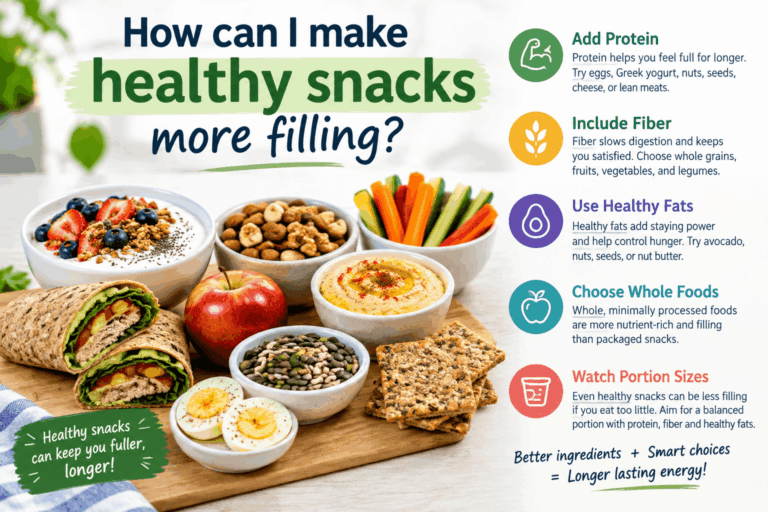
Convenience often determines what we eat. Keep nuts, seeds, canned fish, natural peanut butter, and frozen edamame available for quick meals and snacks.
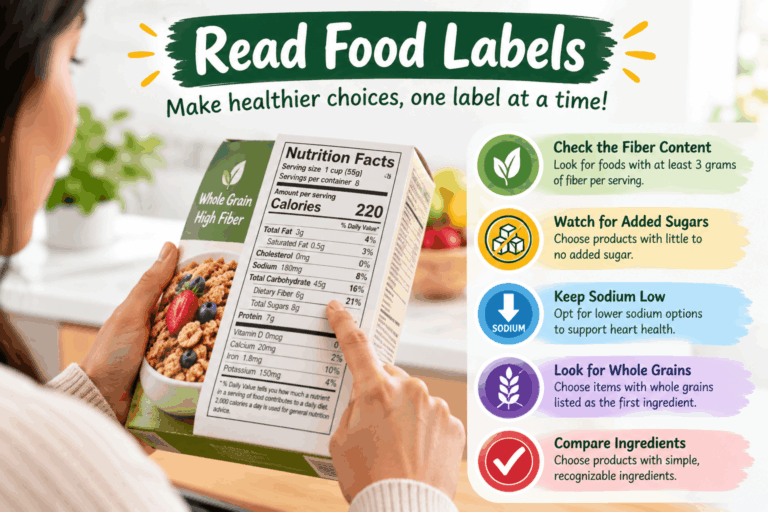
Read Food Labels
Look beyond the total fat number. Check the saturated fat, sodium, added sugar, and ingredient list too.
A food can contain healthy fats while still being heavily processed or high in added sugar or sodium.
Use Portion Awareness
Healthy fats are nutritious, but they are energy-dense. A large amount of nuts, seeds, oils, or nut butter can add substantial calories quickly.
You don’t need to avoid these foods. Just keep portions reasonable.
Choose a Variety of Fat Sources
Don’t rely on a single food. Rotate between nuts, seeds, avocados, olive oil, seafood, and plant-based protein sources to create a varied diet.
Common Mistakes
Thinking All Fat Is Unhealthy
Fat is an essential nutrient. The better approach is to consider the type and overall dietary pattern rather than avoiding fat altogether.
Assuming “Healthy” Means Unlimited
Olive oil, nuts, avocado, and nut butter can all be nutritious choices, but eating large portions can significantly increase calorie intake.
Ignoring Saturated Fat
A food can contain unsaturated fat and still have meaningful amounts of saturated fat. Look at the complete nutrition label instead of judging a food by one nutrient.
Choosing Highly Processed Foods Just Because They Contain Healthy Fats
A product can be marketed around a particular healthy ingredient while also containing substantial amounts of added sugar, sodium, or refined ingredients.
Look at the whole food, not just the health claim on the package.
Forgetting About Variety
Eating avocado every day isn’t necessary. A varied diet provides a broader range of nutrients and makes meals more interesting.
Key Takeaways
- Healthy fats include primarily monounsaturated and polyunsaturated fats.
- Avocados, nuts, seeds, olive oil, and fatty fish are useful sources.
- Fat helps your body absorb vitamins A, D, E, and K.
- Healthy-fat foods can be part of a balanced diet without being eaten in large quantities.
- Replacing some foods high in saturated fat with foods rich in unsaturated fat can support a heart-healthy eating pattern.
- Portion size still matters because fat contains more calories per gram than protein or carbohydrates.
- Whenever possible, Favor foods that are less processed and check labels for added sugar and sodium.
Frequently Asked Questions
What are the best foods high in healthy fats?
Some good choices include avocados, olive oil, walnuts, almonds, chia seeds, flaxseeds, salmon, sardines, trout, peanuts, and other nuts and seeds. The best choices depend on your dietary preferences and overall eating pattern.
Can I eat healthy fats every day?
Yes, foods rich in healthy fats can be enjoyed regularly while following a well-balanced eating pattern. The key is choosing appropriate portions and getting a variety of foods rather than relying heavily on one source.
Are nuts high in healthy fats?
Yes. Many nuts contain substantial amounts of unsaturated fat along with protein, fiber, vitamins, and minerals. Common varieties include almonds, walnuts, pistachios, and cashews.
Is avocado a healthy source of fat?
Avocado is a source of mostly monounsaturated fat and also provides fiber and several vitamins and minerals. It can be a useful addition to meals such as salads, toast, and grain bowls.
Which fish are high in healthy fats?
Salmon, sardines, and trout are examples of fatty fish that provide omega-3 fatty acids. Adding seafood to a balanced diet can help you get more of these beneficial fatty acids through your regular meals.
Are healthy fats good for weight loss?
Healthy fats can fit into a weight-management diet, but they aren’t a magic weight-loss food. Because fats are calorie-dense, portion sizes matter. Overall calorie intake, food quality, physical activity, and dietary habits all influence weight.
Should I avoid saturated fat completely?
Not necessarily. Current dietary guidance generally emphasizes limiting saturated fat and replacing some of it with unsaturated fats rather than treating all dietary fat as harmful. Your overall eating pattern matters.
Conclusion
Adding healthy fats to your diet doesn’t require a major lifestyle change. Small choices can make a difference: olive oil on vegetables, walnuts in oatmeal, avocado in a sandwich, seeds in yogurt, or salmon at dinner.
The bigger goal is to build meals around a variety of minimally processed foods. Include vegetables, fruits, whole grains, protein sources, and sensible portions of healthy fats. When these foods become part of your routine, eating well becomes much less complicated.
Disclaimer
This article is published solely for educational and informational purposes. The information provided is intended to increase general awareness and understanding of the topic. It should not be regarded as medical, insurance, financial, legal, or other professional advice. Readers should consult qualified professionals before making any healthcare, insurance, financial, or legal decisions.
References
- U.S. Department of Agriculture (USDA)
- U.S. Department of Health & Human Services (HHS)
- National Institutes of Health (NIH)
- National Heart, Lung, and Blood Institute (NHLBI)
- American Heart Association (AHA)
- National Health Service (NHS)
- Government of Canada
- Australian Government Department of Health, Disability and Ageing
- Mayo Clinic