Best High-Protein Foods: Healthy Options for Every Diet
Best High-Protein Foods for a Healthy Diet
Discover the best high-protein foods, including chicken, fish, eggs, Greek yogurt, beans, lentils, tofu, nuts, and more for balanced everyday meals.
best-high-protein-foods
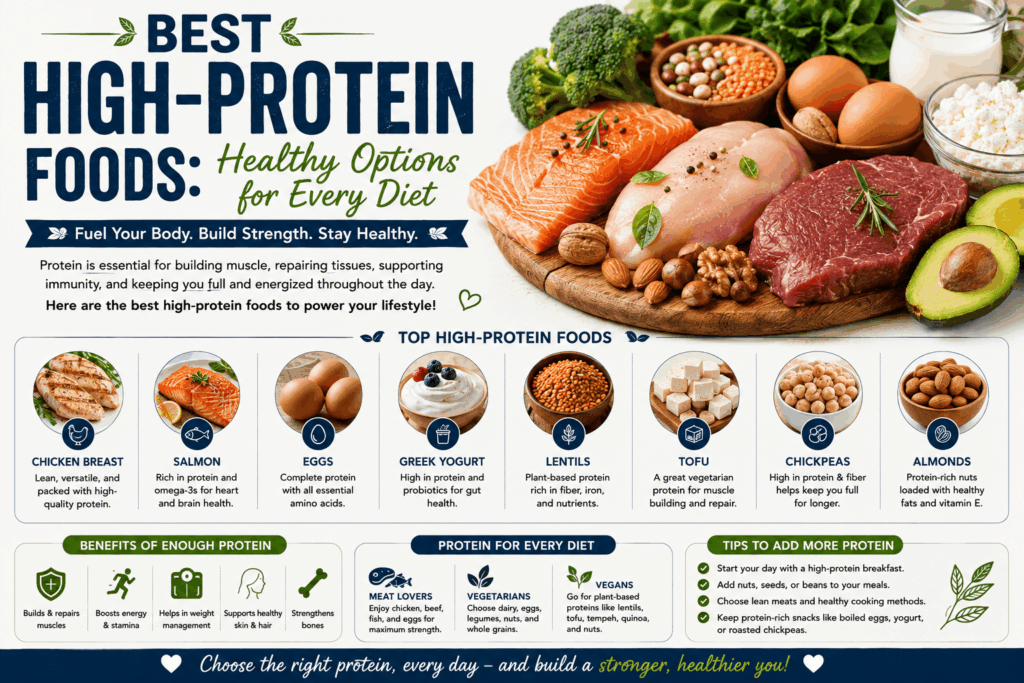
Protein has become one of the biggest topics in nutrition, and for good reason. Whether you are trying to build or maintain muscle, stay satisfied between meals, or eat a more balanced diet, choosing the right protein foods can make everyday meals much easier.
The challenge is that “high protein” does not automatically mean “healthy.” A processed meat product may contain plenty of protein but also a lot of sodium and saturated fat. On the other hand, foods such as lentils, salmon, Greek yogurt, eggs, tofu, and nuts can provide protein along with other important nutrients.
For example, imagine starting the day with a low-protein breakfast and feeling hungry again an hour or two later. Adding eggs or Greek yogurt could make the meal more satisfying without requiring a complicated diet.
In this guide, you will learn which foods are naturally high in protein, how animal and plant proteins compare, how much protein adults generally need, and simple ways to add more protein to breakfast, lunch, dinner, and snacks.
What Are High-Protein Foods?
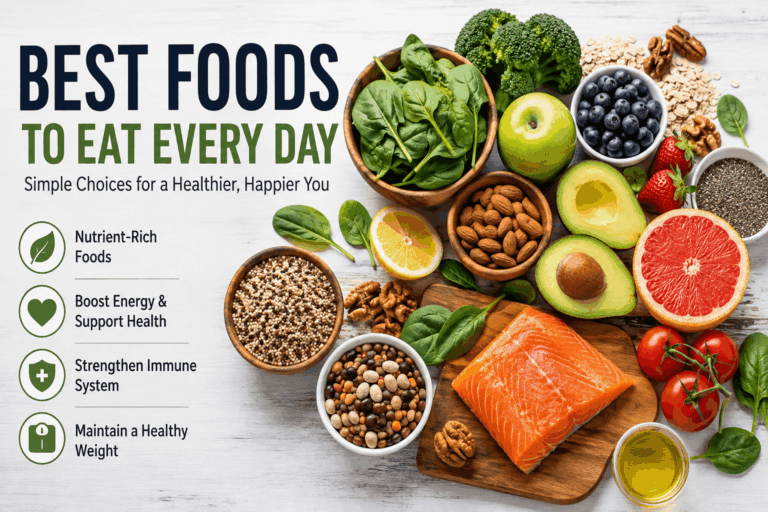
High-protein foods provide a substantial amount of protein relative to their serving size. They include poultry, seafood, eggs, dairy products, beans, lentils, soy foods, nuts, seeds, and some whole grains. The healthiest choices also provide useful nutrients such as fiber, vitamins, minerals, and healthy fats.
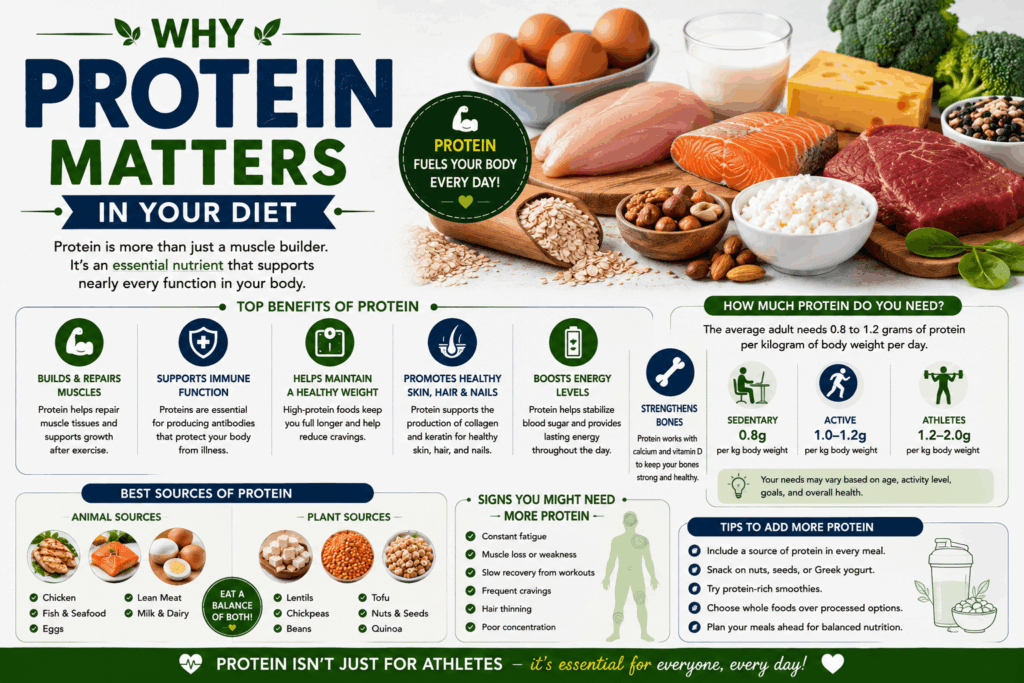
Protein is an essential nutrient made from amino acids. Your body uses it to build and maintain muscles and tissues and to make enzymes, hormones, and other important substances.
Why Protein Matters in Your Diet
Protein plays several important roles in the body. It helps maintain muscle and other tissues and provides amino acids needed for normal body functions.
Getting enough protein is particularly important throughout adulthood because maintaining muscle becomes increasingly important as people age. Protein also forms part of many foods that provide other valuable nutrients.
However, eating more protein is not necessarily better.For most healthy adults, maintaining a varied and balanced diet is more important than simply increasing protein intake. than simply increasing protein intake. The overall nutritional quality of the food also matters, as protein-rich foods can provide other nutrients such as healthy fats, fiber, vitamins, minerals, and sodium.
Best High-Protein Foods to Add to Your Diet
1. Chicken Breast
Skinless chicken breast is one of the easiest high-protein foods to include in everyday meals. It provides substantial protein while being relatively low in saturated fat compared with many fattier cuts of meat.
Try grilled chicken in salads, wraps, grain bowls, sandwiches, or alongside roasted vegetables.
For a quick meal, prepare several portions at once and use them throughout the week.
2. Salmon and Other Fatty Fish
Salmon is an excellent source of protein and also provides omega-3 fatty acids. Other nutritious seafood choices include trout, sardines, and tuna.
A 4-ounce serving of grilled sockeye salmon contains about 30 grams of protein, according to Harvard’s Nutrition Source.
Fish can be baked, grilled, roasted, or added to salads and grain bowls. Including seafood regularly can also bring variety to meals that often rely on meat or poultry.
3. Eggs
Eggs are affordable, convenient, and versatile. One large egg provides roughly 6 grams of protein and contains all nine essential amino acids, making it a complete protein source.
Eggs work well for breakfast, but there is no reason to limit them to the morning. Add boiled eggs to salads, use scrambled eggs in a vegetable stir-fry, or serve them with whole-grain toast and fruit.
4. Greek Yogurt
Greek yogurt is a convenient protein-rich dairy food that can be beneficial well for breakfast, as a snack, or as part of a simple dessert. Choose plain varieties when possible and add berries, fruit, oats, or nuts for extra flavor and nutrients. Checking the nutrition label can also help, as some flavored yogurts may contain significant amounts of added sugar.
Greek yogurt can also replace some higher-calorie ingredients in dips and sauces.
5. Cottage Cheese
Cottage cheese is a nutritious dairy option that provides protein and can be enjoyed alone or paired with fruit, vegetables, whole-grain crackers, or seeds.
If you are watching your sodium intake, compare nutrition labels because cottage cheese can contain varying amounts of sodium between brands.
6. Lean Turkey
Skinless turkey is a convenient source of protein and can be included in sandwiches, salads, wraps, burgers, or main meals. sandwiches, salads, wraps, burgers, or main meals. sandwiches, salads, burgers, wraps, and main dishes. Fresh turkey and processed turkey products can differ considerably in their nutritional value. Deli meats and other processed meats can contain substantial sodium and other ingredients, so fresh or minimally processed options are generally a better everyday choice.
7. Lentils
Lentils are one of the best plant-based protein foods because they provide protein along with a significant amount of dietary fiber.
One cup of cooked lentils provides about 18 grams of protein and 15 grams of fiber, according to Harvard’s Nutrition Source.
They are inexpensive, easy to store, and useful in soups, curries, salads, grain bowls, and vegetarian burgers.
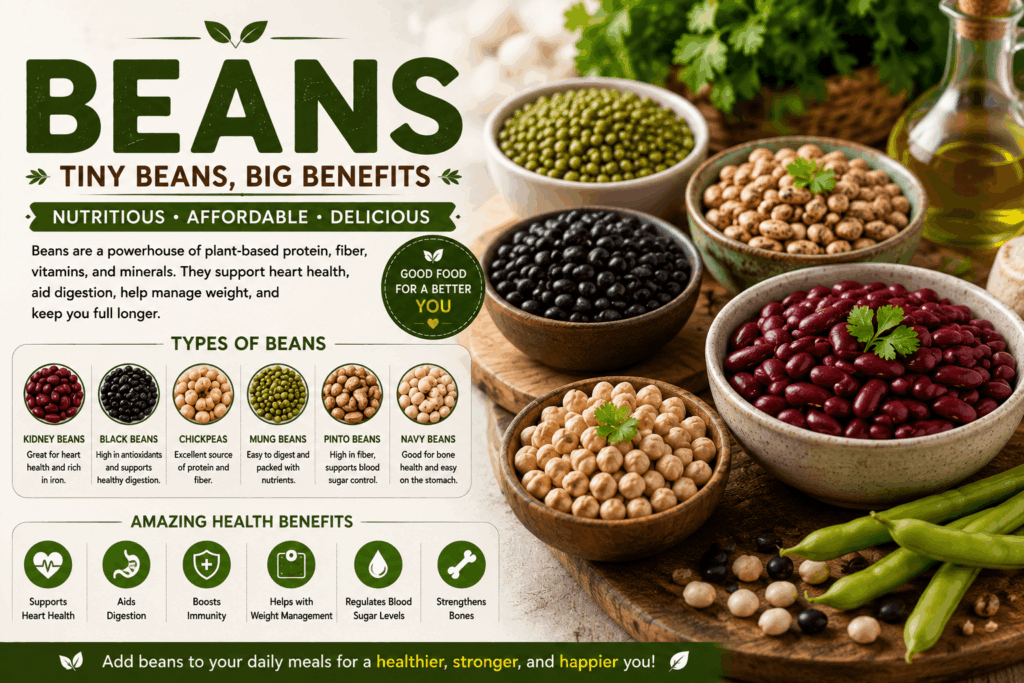
8. Beans
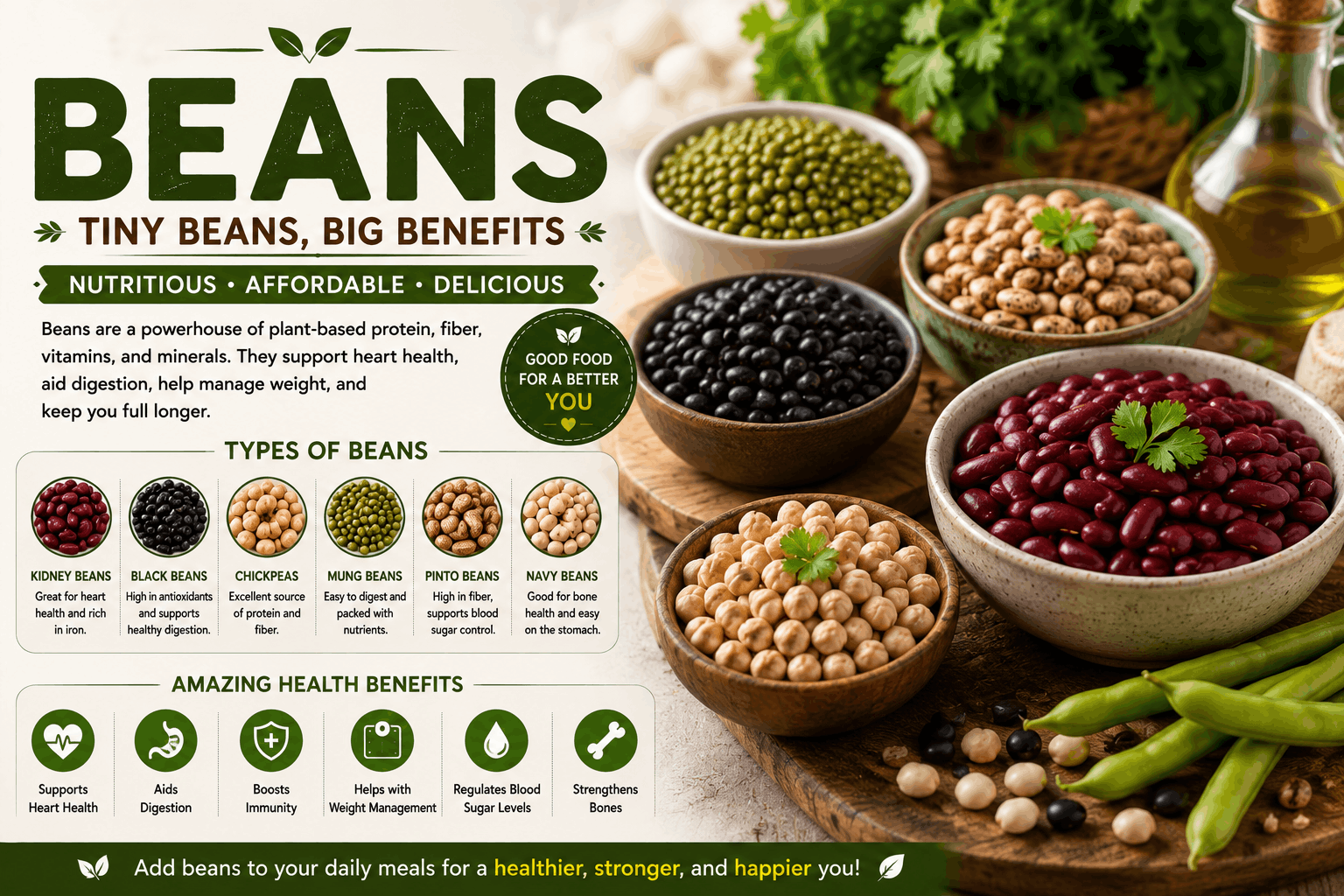
Black beans, kidney beans, chickpeas, pinto beans, and other varieties can make meals more filling while adding protein and fiber.
Beans can be particularly useful when you want to reduce your reliance on meat without making meals feel incomplete.
Try adding black beans to tacos, chickpeas to salads, or kidney beans to chili.
9. Tofu and Tempeh
Tofu and tempeh are soy-based foods that can provide substantial plant protein.
Tofu works well in stir-fries, soups, curries, and grain bowls. Tempeh has a firmer texture and can be baked, grilled, or pan-seared.
Soy foods are especially useful for vegetarians and vegans because soy provides a complete protein source.
10. Edamame
Edamame, or young soybeans, is another convenient plant-based protein.
You can eat steamed edamame as a snack, add it to salads, or mix it into rice and vegetable bowls. It also provides fiber and other nutrients.
11. Nuts and Nut Butters
Almonds, peanuts, pistachios, walnuts, and other nuts provide protein along with healthy fats and important minerals. Nut butter can also be a convenient protein-rich snack when spread on whole-grain toast or enjoyed with fruit.
Because nuts and nut butters are energy-dense, serving size matters. A small portion can provide useful nutrition without turning a snack into a very high-calorie meal.
12. Seeds
Pumpkin seeds, chia seeds, hemp seeds, sunflower seeds, and other seeds can add protein and healthy fats to everyday foods.
Sprinkle them over Greek yogurt, oatmeal, salads, or smoothies.
Seeds are particularly useful for adding extra nutrition to meals without significantly changing their flavor or preparation.
13. Quinoa
Quinoa is a whole grain-like seed that provides protein and fiber. Unlike many plant foods, quinoa contains all nine essential amino acids. A cup of cooked quinoa provides about 8 grams of protein and around 5 grams of fiber.
Use quinoa as a base for vegetable bowls, salads, or meals containing beans and roasted vegetables.
14. Lean Beef
Lean beef provides protein along with nutrients such as iron and zinc.
If you eat beef, choose leaner cuts and keep portions reasonable. Sirloin and tenderloin are examples of lean cuts. Harvard’s Nutrition Source reports about 33 grams of protein in 4 ounces of broiled sirloin steak.
You do not need to eliminate red meat from a healthy diet, but replacing some servings with fish, poultry, beans, lentils, or soy foods can provide more variety in your meals.
15. Milk
Milk provides protein along with calcium and other important nutrients. An 8-ounce serving contains about 8 grams of protein and can be added to oatmeal, smoothies, coffee, or enjoyed with a balanced meal. Lower-fat milk can be a practical choice for people who want to reduce their intake of saturated fat.
Animal Protein vs. Plant Protein
Both animal and plant foods can contribute important protein to your diet.
Animal sources such as eggs, fish, poultry, meat, and dairy generally provide complete proteins. Some plant foods, including soy and quinoa, are also complete proteins. Other plant proteins may be lower in one or more essential amino acids, but eating a varied diet throughout the day can provide the amino acids your body needs.
The bigger question is often what comes with the protein.
Fish may provide protein and omega-3 fats. Lentils provide protein and fiber. Nuts provide protein and unsaturated fats. Processed meats may provide protein but can also be high in sodium and saturated fat.
For that reason, choosing a variety of minimally processed protein foods is generally more useful than focusing on protein grams alone.
How Much Protein Do You Need?
Protein requirements depend on factors such as body size, age, activity level, pregnancy or breastfeeding status, and overall health.
For the average healthy adult, the RDA is approximately 0.8 grams of protein per kilogram of body weight per day. For example, a person weighing 75 kilograms would need about 60 grams per day to meet the basic RDA.
Very active people, older adults, pregnant or breastfeeding women, or managing certain health conditions may have different nutritional needs.
The current Dietary Guidelines for Americans emphasize eating a variety of protein foods, including seafood, lean meats, poultry, eggs, beans, peas, soy products, nuts, and seeds.
High-Protein Foods for Breakfast
Breakfast does not need to be complicated.
Good options include:
- Eggs with whole-grain toast and vegetables
- Plain Greek yogurt with berries, oats, and nuts
- Cottage cheese with fruit and seeds
- Oatmeal made with milk and topped with nuts.
- A smoothie containing Greek yogurt, milk, fruit, and seeds
- Tofu scramble with vegetables and whole-grain toast.
The goal is to build a balanced meal rather than simply choosing the food with the highest protein number.
High-Protein Foods for Lunch
Lunch can be more satisfying and nutritious when it includes a good source of protein.
Try:
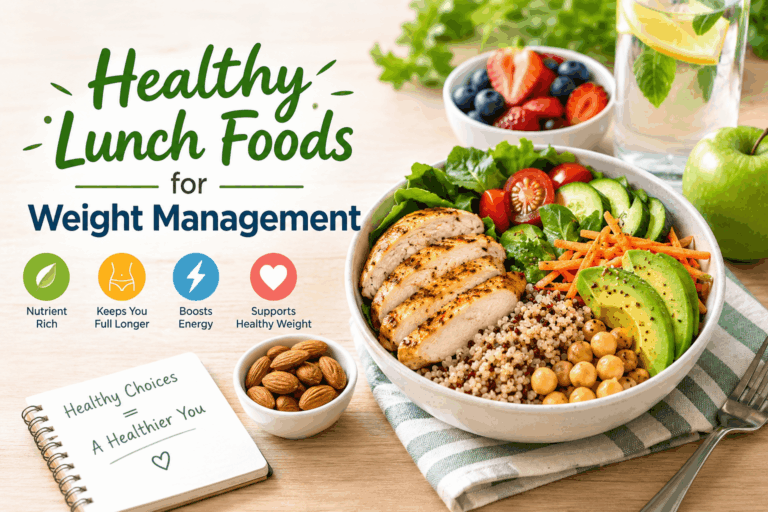
- Chicken and vegetable salad
- Lentil soup with whole-grain bread
- Chickpea and quinoa bowl
- Tuna and vegetable whole-grain sandwich
- Turkey and avocado wrap
- Tofu and vegetable stir-fry
Adding vegetables and a high-fiber carbohydrate source can create a more balanced meal.
High-Protein Foods for Dinner
Dinner offers plenty of opportunities to combine protein with vegetables and whole grains.
Examples include grilled salmon with quinoa and broccoli, chicken with brown rice and roasted vegetables, lentil curry with vegetables, or tofu stir-fry with mixed vegetables.
A simple rule is to make the protein source one part of the meal rather than allowing it to crowd everything else off the plate.
Comparison Table
| Chicken, 4 oz | 28 g | Selenium, niacin |
| Salmon, 4 oz | 30 g | Omega-3 fats |
| Lentils, 1 cup cooked | 18 g | Fiber, folate, iron |
| Milk, 8 oz | 8 g | Calcium |
| Almonds, 1 oz | 6 g | Healthy fats, fiber |
| Egg, 1 large | 6 g | Choline, vitamins |
| Quinoa, 1 cup cooked | 8 g | Fiber, minerals |
Protein amounts can vary based on food variety, preparation method, serving size, and brand. The figures above are representative values reported by Harvard Health and Harvard’s Nutrition Source.
Practical Tips
Spread Protein Throughout the Day
Instead of eating most of your protein at dinner, include a protein source at breakfast, lunch, dinner, and snacks.
For example:
Breakfast: Eggs and whole-grain toast
Lunch: Chicken and vegetable salad
Snack: Greek yogurt and berries
Dinner: Salmon, quinoa, and vegetables
This approach can make it easier to meet your overall nutritional needs without relying on one large meal.
Combine Different Protein Sources
You do not need to choose between plant and animal protein.
A meal can include beans and whole grains, yogurt and fruit, or chicken with lentils and vegetables.
Variety helps you obtain a broader range of nutrients while keeping meals interesting.
Read Nutrition Labels
When purchasing packaged protein foods, look beyond the protein number.
Check saturated fat, sodium, added sugars, calories, and ingredient lists. A product advertised as “high protein” is not automatically a nutritious choice.
Choose Minimally Processed Foods More Often
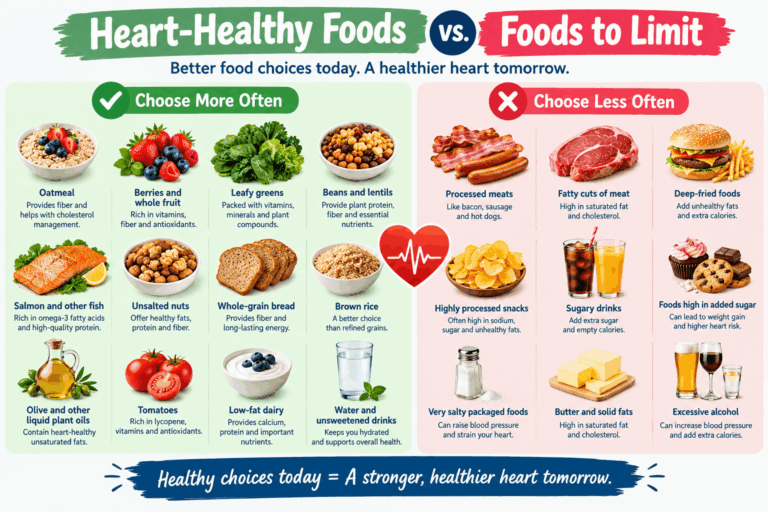
Fresh poultry, fish, eggs, beans, lentils, tofu, nuts, seeds, and plain dairy products can form the foundation of a protein-rich diet.
The Dietary Guidelines for Americans 2025–2030 emphasize whole, nutritious foods while recommending limits on highly processed foods, added sugars, and refined carbohydrates.
Common Mistakes
Focusing Only on Protein
Protein is important, but your body also needs carbohydrates, fats, fiber, vitamins, minerals, and water.
A meal centered entirely around protein is not necessarily a balanced meal.
Assuming More Protein Is Always Better
Eating more protein than you need does not automatically produce better health results. Your overall eating pattern matters.
Relying Heavily on Processed Meat
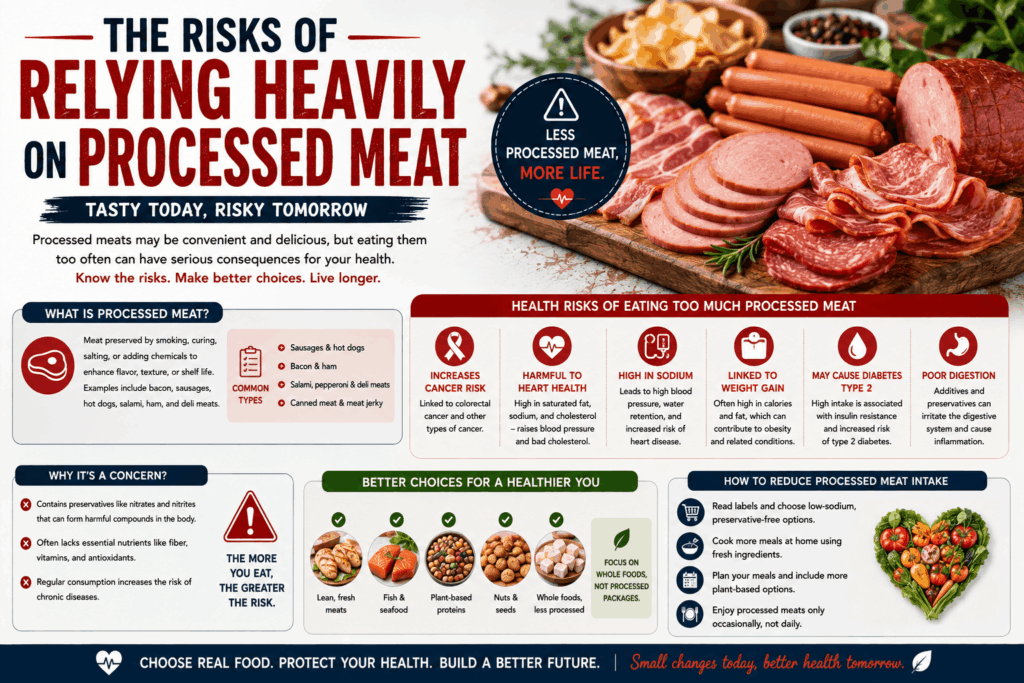
Bacon, sausages, hot dogs, and deli meats may contain protein, but they can also be high in sodium and saturated fat. Harvard recommends choosing healthier protein sources such as beans, nuts, fish, poultry, and eggs more often.
Forgetting Plant Protein
You do not need to eat meat at every meal to get protein.
Beans, lentils, tofu, tempeh, edamame, nuts, seeds, and quinoa can all add variety and valuable nutrients to a protein-rich diet.
Using Protein Supplements as a Substitute for Food
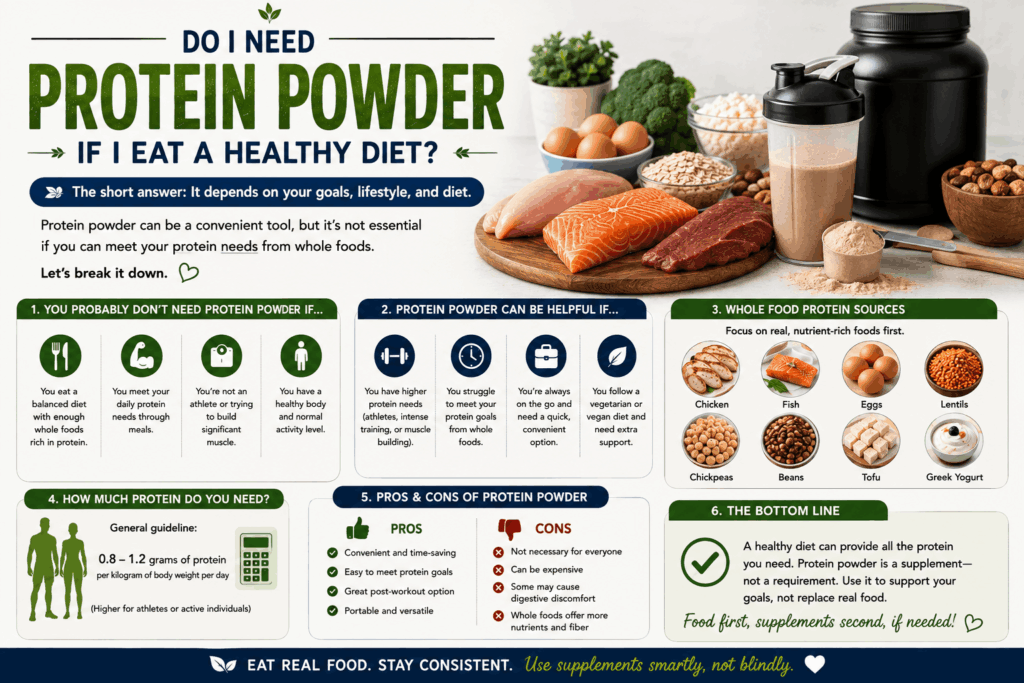
Protein powders can be convenient, but most people can meet their protein needs without them. Whole foods provide protein along with fiber, vitamins, minerals, and other beneficial nutrients.
Key Takeaways
- High-protein foods include poultry, fish, eggs, dairy, beans, lentils, soy foods, nuts, seeds, and quinoa.
- Protein is vital for maintaining body tissues and supporting numerous essential functions.
- The standard adult RDA is about 0.8 grams of protein per kilogram of body weight per day.
- Plant and animal foods can both provide high-quality protein.
- Lentils, beans, and other plant proteins can provide protein plus valuable dietary fiber.
- Fish such as salmon provide protein along with omega-3 fats.
- Choose minimally processed protein foods more often and limit processed meats.
- Consider the overall nutritional value of a food rather than focusing only on its protein content.
- Individual protein needs can vary based on factors such as age, activity level, and health circumstances.
Frequently Asked Questions
What are the best high-protein foods?
Some of the best choices include chicken, salmon, tuna, eggs, Greek yogurt, cottage cheese, lentils, beans, tofu, tempeh, edamame, nuts, seeds, and quinoa. Choosing a variety of these foods can provide protein along with other important nutrients.
What food has the most protein?
The answer depends on serving size and preparation. Several animal foods, including lean meats and fish, provide substantial protein per serving. Plant foods such as lentils and soy products can also provide significant amounts while contributing fiber and other nutrients.
What are the best high-protein foods for vegetarians?
Good vegetarian options include lentils, beans, chickpeas, tofu, tempeh, edamame, Greek yogurt, cottage cheese, eggs, nuts, seeds, and quinoa.
Are plant proteins as good as animal proteins?
Plant proteins can absolutely contribute to a healthy diet. Some plant foods, such as soy and quinoa, are complete proteins. Eating a variety of plant protein sources throughout the day can provide all the essential amino acids your body needs.
How can I add more protein to breakfast?
Try eggs, Greek yogurt, cottage cheese, milk, tofu, nuts, seeds, or a combination of these foods. Adding protein to oatmeal, toast, smoothies, or yogurt bowls can make breakfast more balanced.
Are high-protein foods good for weight management?
Protein-rich foods can be part of a balanced eating pattern, and many protein foods are also nutrient-dense. However, weight management depends on overall food intake, physical activity, sleep, and other individual factors. No single food guarantees weight loss.
Do I need protein powder if I eat a healthy diet?
Not necessarily. Many people can meet their protein needs through foods such as eggs, fish, poultry, dairy, beans, lentils, tofu, nuts, and seeds. Protein supplements can be convenient in some situations, but they are not essential for everyone.
Conclusion
The best high-protein foods are not necessarily the foods with the biggest number on a nutrition label. A better approach is to choose protein sources that also fit into a balanced, nutrient-rich eating pattern.
Chicken, fish, eggs, Greek yogurt, beans, lentils, tofu, nuts, seeds, and quinoa can all be part of a healthy diet. Combining animal and plant-based protein sources can provide variety and make everyday meals easier to prepare.
If you want to improve your diet, start small. Add eggs or Greek yogurt to breakfast, beans or chicken to lunch, and fish, tofu, or lentils to dinner. Over time, these simple choices can create a more balanced and enjoyable way of eating.
Disclaimer
This article is published solely for educational and informational purposes. The information provided is intended to increase general awareness and understanding of the topic. It should not be considered medical, insurance, financial, legal, or professional advice. Readers should consult qualified professionals before making any healthcare, insurance, financial, or legal decisions.
References
- U.S. Department of Agriculture (USDA)
- U.S. Department of Health & Human Services (HHS)
- Dietary Guidelines for Americans
- Harvard T.H. Chan School of Public Health
- Harvard Health Publishing
- National Institutes of Health (NIH)
- MedlinePlus