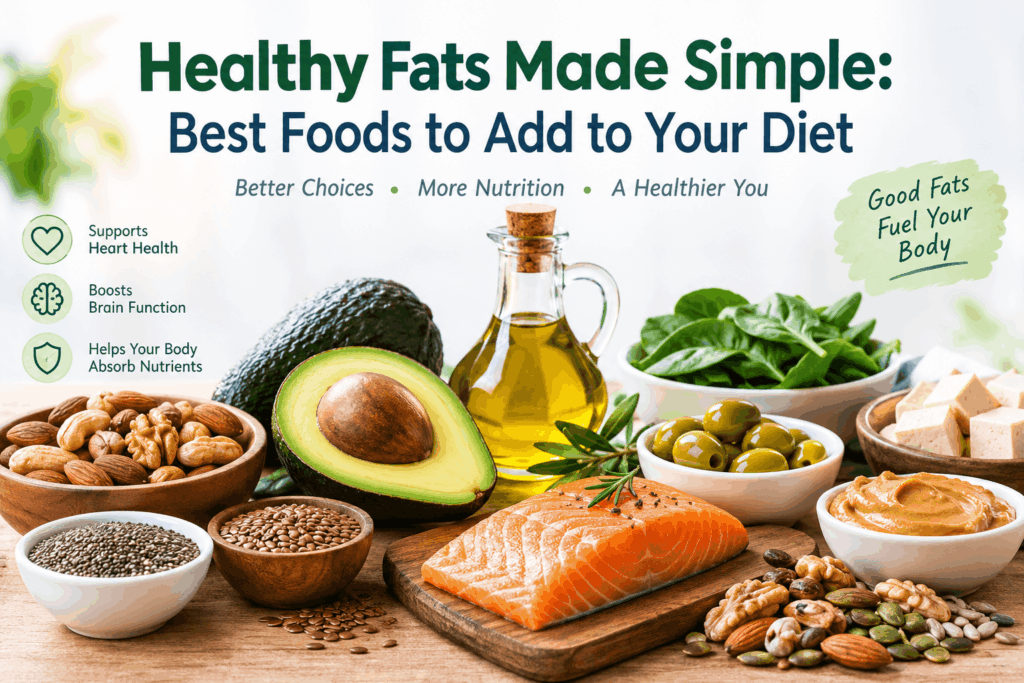
Healthy Fats Made Simple: Best Foods to Add to Your Diet
Healthy Fats: Best Foods to Add to Your Diet
Learn which healthy fats to eat, why they matter, and how to replace saturated fats with nuts, seeds, avocado, fish, and healthy oils.
healthy-fats-best-foods
For years, people treated dietary fat as something to avoid. Many people still assume that eating less fat automatically means eating healthier. The reality is more nuanced. Your body needs dietary fat, and the type you choose matters more than trying to eliminate it from your meals.
Think about a typical day. You might cook eggs in butter, grab a pastry with coffee, add cheese to lunch, and then have a salad with olive oil at dinner. All of these foods contain fat, but they don’t all have the same nutritional profile.
The good news is that adding healthier fats to your diet doesn’t require a complicated meal plan. Simple swaps can make a meaningful difference. Olive or canola oil. Instead of butter, add nuts to oatmeal, top whole-grain toast with avocado, or choose salmon.
This guide explains what healthy fats are, which foods provide them, how they fit into a balanced diet, and which common mistakes to avoid.
What Are Healthy Fats?
Healthy fats are mainly unsaturated fats, including monounsaturated and polyunsaturated fats. Common sources include avocados, nuts, seeds, olives, plant-based oils, and oily fish. Replacing foods high in saturated fat with foods rich in unsaturated fat is generally recommended as part of a heart-healthy eating pattern.
Why Does Your Body Need Dietary Fat?
Fat isn’t just a source of calories. It helps your body absorb fat-soluble vitamins A, D, E, and K and provides essential fatty acids that your body cannot make on its own. Dietary fat also provides energy and contributes to normal cell function.
Because all fats are calorie-dense, portion size still matters.
Best Foods High in Healthy Fats
1. Avocados
Avocados are a convenient source of monounsaturated fat and can add a creamy texture to meals without relying on butter or mayonnaise.
Try mashed avocado on whole-grain toast, sliced avocado in a salad, or diced avocado with beans and vegetables. Avocados also provide fiber and several vitamins and minerals.
2. Extra-Virgin Olive Oil
Olive oil is rich in monounsaturated fat and is an easy way to improve the fat quality of everyday meals.
Use it for salad dressings, roasting vegetables, or sautéing foods. It can also replace butter in some cooking and baking applications.
The important point is substitution. Simply adding olive oil to a meal that is already high in calories does not necessarily make it a healthier choice. A more practical approach is to use olive oil as a substitute for fats that are higher in saturated fat.
3. Nuts
Almonds, walnuts, pistachios, pecans, and peanuts can all fit into a healthy eating pattern. Nuts provide unsaturated fats along with protein, fiber, vitamins, minerals, and other plant compounds.
Choose mostly unsalted nuts when possible. A small handful makes an easy snack, while chopped nuts can add texture to oatmeal, yogurt, salads, or grain bowls.
4. Seeds
Chia seeds, flaxseeds, pumpkin seeds, sunflower seeds, and hemp seeds are versatile additions to meals.
Chia and flaxseeds are particularly useful sources of plant-based omega-3 fatty acid ALA. Walnuts also provide ALA.
Try adding ground flaxseed to yogurt or oatmeal, and use chia seeds in smoothies or overnight oats for an easy nutritional boost.
5. Fatty Fish
Salmon, sardines, mackerel, herring, and some Types of tuna provide omega-3 fatty acids, particularly EPA and DHA.
Instead of frying fish in deep oil, try healthier cooking methods such as baking, grilling, broiling, or roasting. Pair it with vegetables and whole grains for a simple, balanced meal.
If you’re pregnant, breastfeeding, feeding children, or concerned about mercury exposure, choose fish according to current local seafood-safety guidance.
6. Olives
Olives provide mostly monounsaturated fat and can add flavor to salads, grain bowls, sandwiches, and Mediterranean-style meals.
Because many packaged olives are preserved in brine, check the sodium content if you’re trying to reduce your salt intake.
7. Canola Oil
Canola oil is a practical cooking option because it contains predominantly unsaturated fats and relatively little saturated fat compared with butter and some tropical oils.
The American Heart Association lists canola among its recommended non-tropical plant oils.
8. Nut Butters
Peanut butter, almond butter, and other nut butters can provide unsaturated fat and protein.
Look for products with a simple ingredient list and little or no added sugar or excess sodium. Spread a modest amount on whole-grain toast, add it to oatmeal, or pair it with fruit.
9. Tofu and Soy Foods
Foods such as tofu, edamame, and other minimally processed soy products can add plant-based protein and unsaturated fats to your diet.
Try adding tofu to stir-fries, grain bowls, soups, or salads. Edamame works well as a snack or side dish.
10. Soybean and Sunflower Oils
Soybean and sunflower oils provide polyunsaturated fats and can be useful alternatives to butter, lard, or other Fats higher in saturated fat. The American Heart Association includes both among non-tropical liquid plant oils that are used in a heart-healthy eating pattern.
Healthy Fats vs. Less Healthy Fats
It is not helpful to classify every fat-containing food as simply “good” or “bad.” In reality, most foods supply a combination of different types of fatty acids.
The more useful approach is to look at the overall pattern and the substitutions you’re making.
| Monounsaturated fat | Avocado, olives, olive oil, nuts, canola oil | Choose regularly |
| Polyunsaturated fat | Fatty fish, walnuts, seeds, soybean and sunflower oils | Choose regularly |
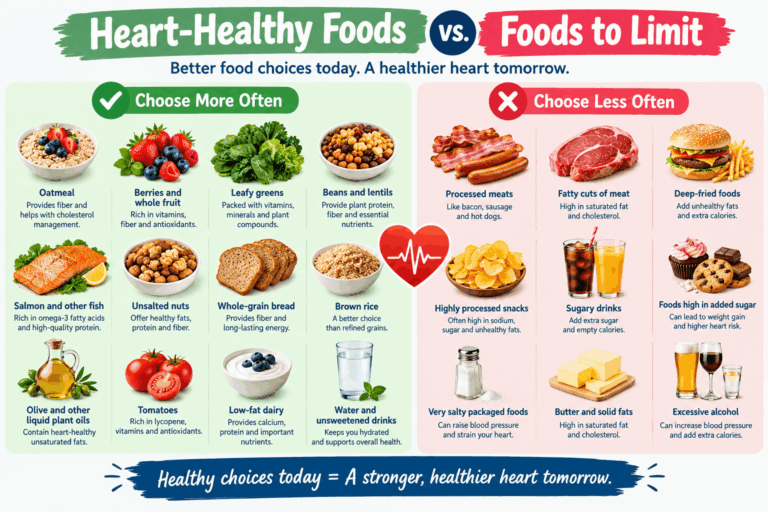
| Saturated fat | Butter, fatty meats, full-fat dairy, coconut and palm oils | Limit |
| Trans fat | Some industrially produced baked and fried foods | Avoid industrial trans fat |
The American Heart Association recommends replacing foods high in saturated and trans fats with foods containing unsaturated fats.
The World Health Organization similarly recommends shifting fat intake away from saturated and trans fats toward unsaturated fats. For adults, WHO recommends keeping saturated fat below 10% of total energy intake and trans fat below 1%.
Healthy Fats and Omega-3 Fatty Acids
Omega-3s are a family of polyunsaturated fats. The three commonly discussed forms are ALA, EPA, and DHA.
ALA is found mainly in plant foods and oils such as flaxseed, chia seeds, walnuts, soybean oil, and canola oil. Fish and other seafood are among the main dietary sources of the omega-3 fatty acids EPA and DHA.
Your body can convert some ALA into EPA and DHA, but only in small amounts. That’s one reason seafood is a useful source of EPA and DHA for people who eat fish.
You don’t necessarily need supplements to include omega-3s in your diet. Food sources can provide them naturally. People who don’t eat fish can get ALA from plant foods, while algae-based products are another option for obtaining DHA and EPA.
How Much Healthy Fat Should You Eat?
There isn’t one ideal amount of fat that works for everyone. Your needs depend on your total calorie intake, age, activity level, health status, and overall eating pattern.
The bigger dietary goal is quality. WHO recommends that adults get primarily unsaturated fat and limit saturated and trans fats.
Keep in mind that even nutritious foods should be enjoyed in appropriate portions rather than eaten without limits. A tablespoon of oil, a handful of nuts, or half an avocado can be nutritious while still adding a meaningful amount of energy to your meal.
A practical approach is to use healthy fats as replacements rather than simply adding extra calories.
Simple Ways to Add Healthy Fats to Your Diet
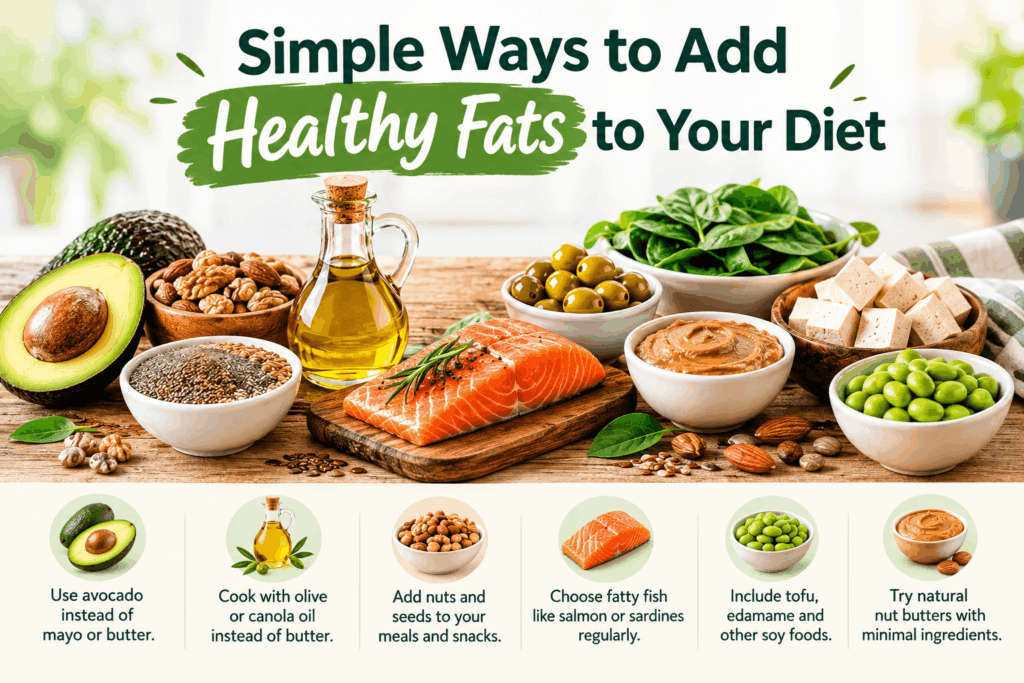
need to make major changes to the meals you already enjoy. Start with small substitutions.
- Cook vegetables with olive or canola oil instead of butter.
- Add walnuts or chia seeds to oatmeal.
- Use avocado in sandwiches instead of mayonnaise.
- Choose salmon or sardines instead of processed meat for some meals.
- Add a small amount of nuts to salads or yogurt.
- Use a homemade olive-oil-based dressing on vegetables.
- Choose natural nut butter with minimal added ingredients.
- Sprinkle ground flaxseed over cereal, oatmeal, or yogurt.
- Use olives in salads, grain bowls, and vegetable dishes.
- Replace creamy, high-saturated-fat sauces with lighter oil-based dressings.
These changes work best when they become part of your normal eating routine rather than a short-term diet.
Practical Tips
Focus on Swaps, Not Add-Ons
One of the easiest mistakes is adding healthy fats without removing anything else.
For example, adding avocado to a sandwich is different from replacing a high-saturated-fat spread with avocado. Similarly, using olive oil instead of butter is a more meaningful change than simply adding extra oil to a meal.
Keep Portions Reasonable
Nuts, seeds, oils, and avocado are nutritious but calorie-dense. Pay attention to serving sizes, especially if you’re trying to manage your overall calorie intake.
Read the Nutrition Facts Label
For packaged foods, check total fat and saturated fat. Also look at the ingredient list for partially hydrogenated oils.
The American Heart Association recommends choosing foods with less saturated fat and avoiding trans fats.
Choose Minimally Processed Foods More Often
A healthy-fat food can still be part of a highly processed product with lots of added sodium, sugar, or refined carbohydrates. Look at the whole food, not just the fat content.
A handful of unsalted walnuts and a packaged pastry made with vegetable shortening are very different choices, even though both contain fat.
Common Mistakes
Thinking All Fat Is Unhealthy
Your body needs dietary fat. You do not need to eliminate fat from your diet; instead, aim to include nutritious sources of fat more often.
Treating Coconut Oil as a Health Food Without Limits
Coconut oil is often promoted as a healthy fat, but it is high in saturated fat. WHO and the American Heart Association recommend favoring unsaturated fats over saturated fats. This does not mean coconut oil should automatically be chosen over oils such as olive or canola oil.
Eating Too Many Healthy-Fat Foods
Healthy foods still contain calories. Large portions of nuts, nut butter, oils, or avocado can add up quickly.
Ignoring the Rest of the Diet
Healthy fats can’t compensate for a diet dominated by highly processed foods, added sugars, excess sodium, and inadequate vegetables, fruits, whole grains, and legumes.
Assuming Supplements Are Better Than Food
Fish, nuts, seeds, and plant oils can provide useful nutrients naturally. For some individuals, supplements may be appropriate, but nutrients are often best obtained by eating a variety of wholesome foods as part of a balanced diet.
Key Takeaways
- Healthy fats are mainly unsaturated fats, including monounsaturated and polyunsaturated fats.
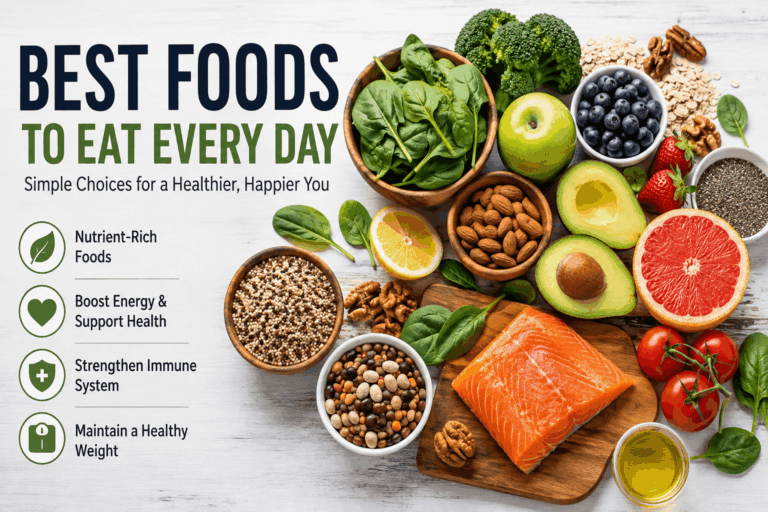
- Good food sources include avocados, nuts, seeds, olives, plant oils, tofu, and fatty fish.
- Omega-3 fatty acids are found in foods such as salmon, sardines, chia seeds, flaxseeds, and walnuts.
- When practical, make the switch from foods high in saturated fat to options that provide more unsaturated fat.
- Avoid trans fats that are produced through industrial processing.
- Healthy fats are calorie-dense, so portion sizes still matter.
- The bigger picture of your diet matters more than focusing heavily on any one particular food or nutrient.
Frequently Asked Questions
What are the healthiest Foods high in fat?
Some nutritious foods rich in unsaturated fats include avocados, nuts, seeds, olives, olive oil, canola oil, tofu, and fatty fish such as salmon and sardines. These foods can provide unsaturated fats along with other useful nutrients.
Are healthy fats good for your heart?
Replacing saturated fats with unsaturated fats can help improve blood cholesterol levels and is recommended as part of a heart-healthy eating pattern. The American Heart Association recommends choosing foods containing monounsaturated and polyunsaturated fats instead of foods high in saturated and trans fats.
Is avocado a healthy fat?
Avocado is a nutritious source of monounsaturated fat that can be a healthy addition to a balanced eating pattern. Along with fiber and various other nutrients, avocado can add nutritional value to your diet, but portion control still matters because it is relatively high in calories.
Is olive oil better than butter?
Olive oil contains mostly unsaturated fat, while butter is relatively high in saturated fat. Replacing butter with a non-tropical liquid plant oil such as olive oil is generally Consistent with heart-healthy dietary guidance.
What foods are high in omega-3 fats?
Fatty fish such as salmon, sardines, mackerel, herring, and some tuna provide EPA and DHA. Plant foods such as chia seeds, flaxseeds, walnuts, soybean oil, and canola oil provide ALA.
Can eating healthy fats cause weight gain?
Eating more calories than your body needs can lead to weight gain, regardless of where those calories come from. This includes dietary fat. Fat provides about 9 calories per gram, so portion sizes remain important even when the food is nutritious.
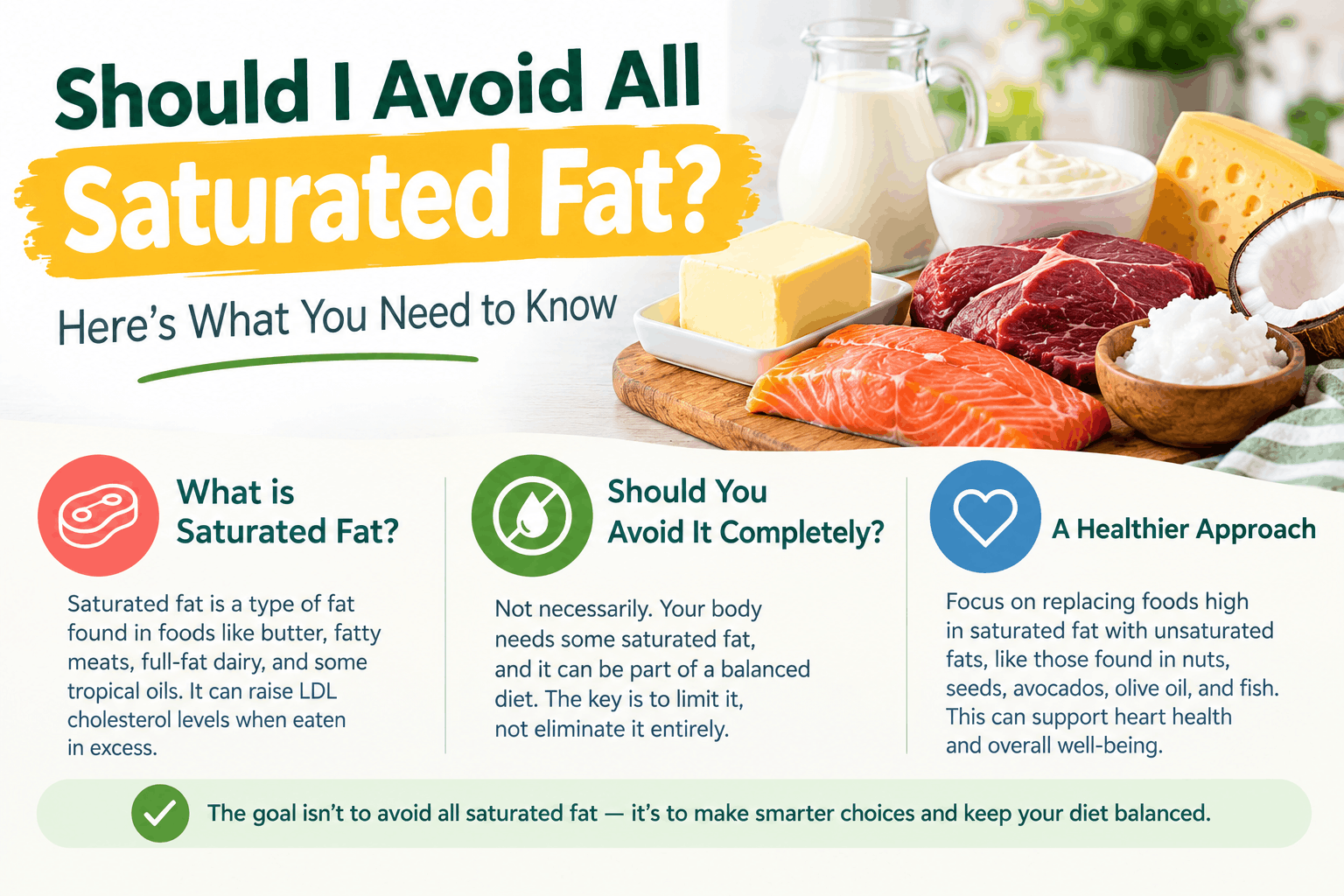
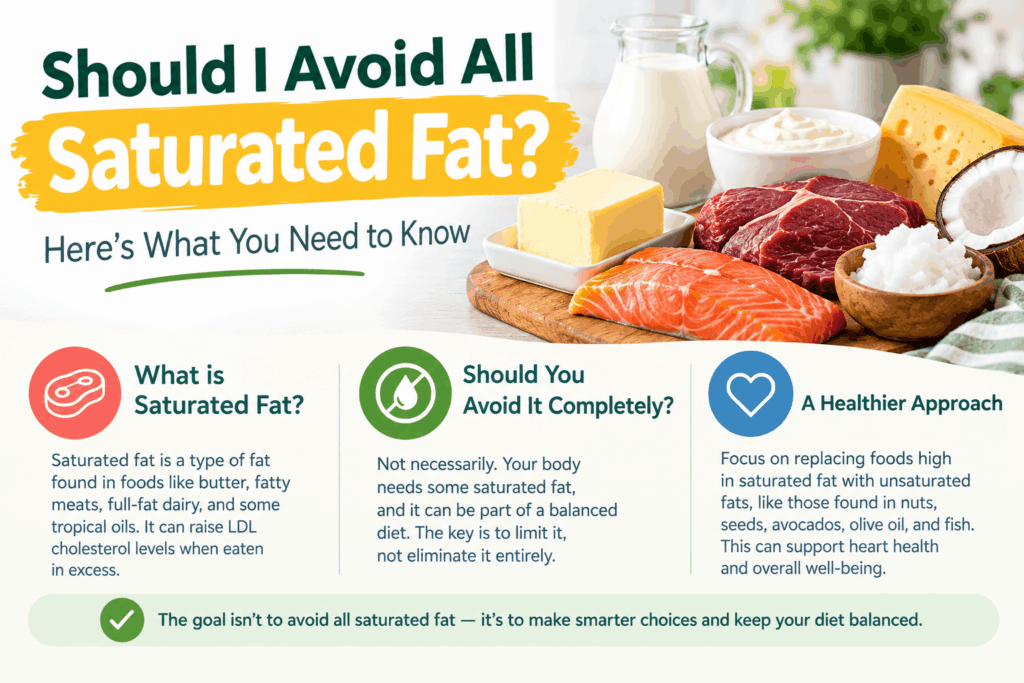
Should I avoid all saturated fat?
Current dietary guidance generally recommends limiting saturated fat rather than treating every food containing it as forbidden. Replacing saturated fat with unsaturated fat is a practical approach supported by major health organizations.
Conclusion
In most cases, the simplest approach is to choose more foods naturally rich in unsaturated fats and use them instead of foods higher in saturated fat.
Keep nuts, seeds, avocado, olives, healthy plant oils, and fish in your regular diet. Limit foods high in saturated fat or industrial trans fats.
You don’t need a perfect diet to make better choices. A few consistent swaps, such as using olive oil instead of butter or choosing nuts instead of a highly processed snack, can help make your everyday eating pattern more nutritious.
This article is provided for general educational and informational purposes only. Its content is intended to help readers better understand and become more aware of the topic. It is not medical, insurance, financial, legal, or any other Form of professional advice. Readers should seek guidance from a qualified professional before making decisions related to healthcare, insurance, finances, legal matters, or other professional concerns.
References
- World Health Organization (WHO)
- American Heart Association (AHA)
- National Institutes of Health (NIH)
- National Library of Medicine (MedlinePlus)
- U.S. Department of Agriculture (USDA)
- U.S. Department of Health and Human Services (HHS)